









What the day is
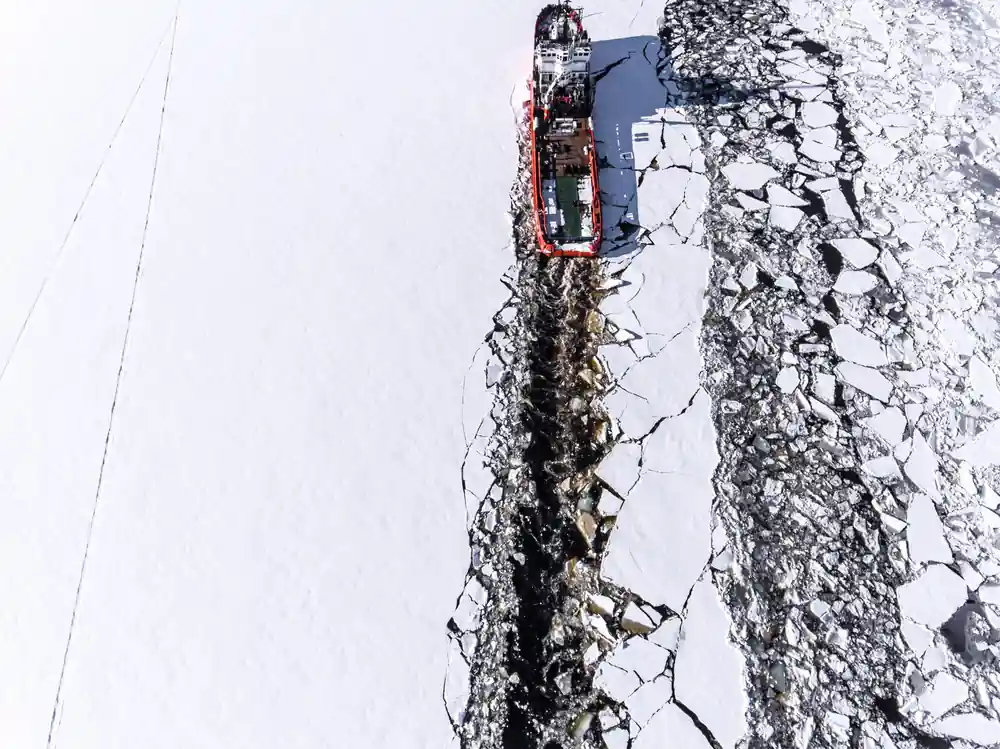
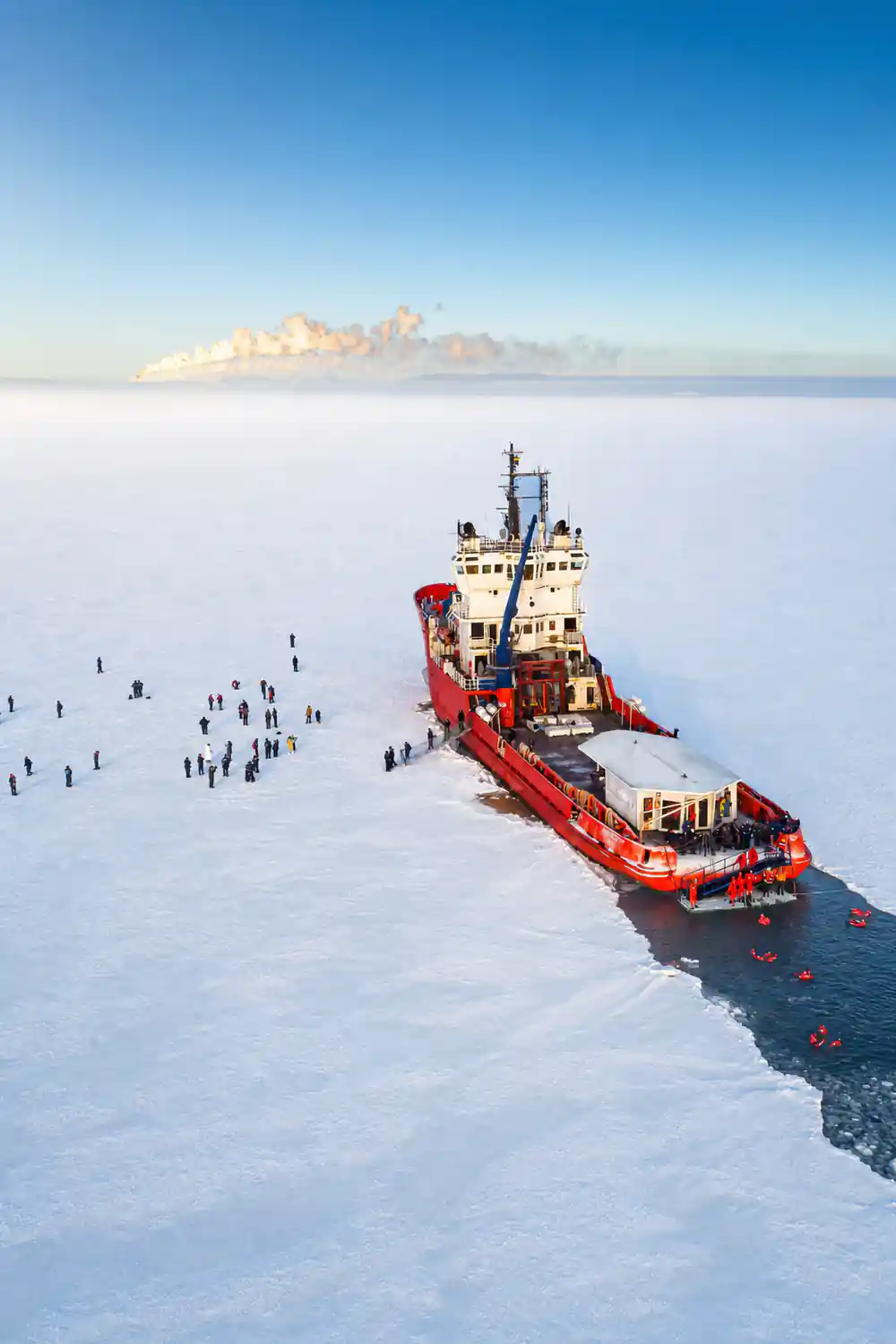
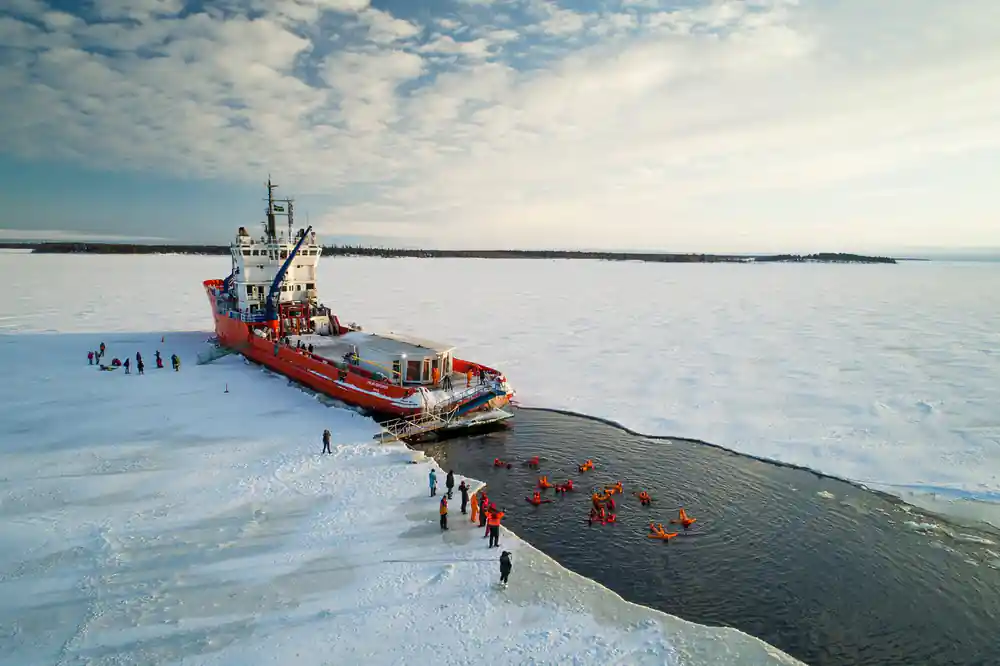
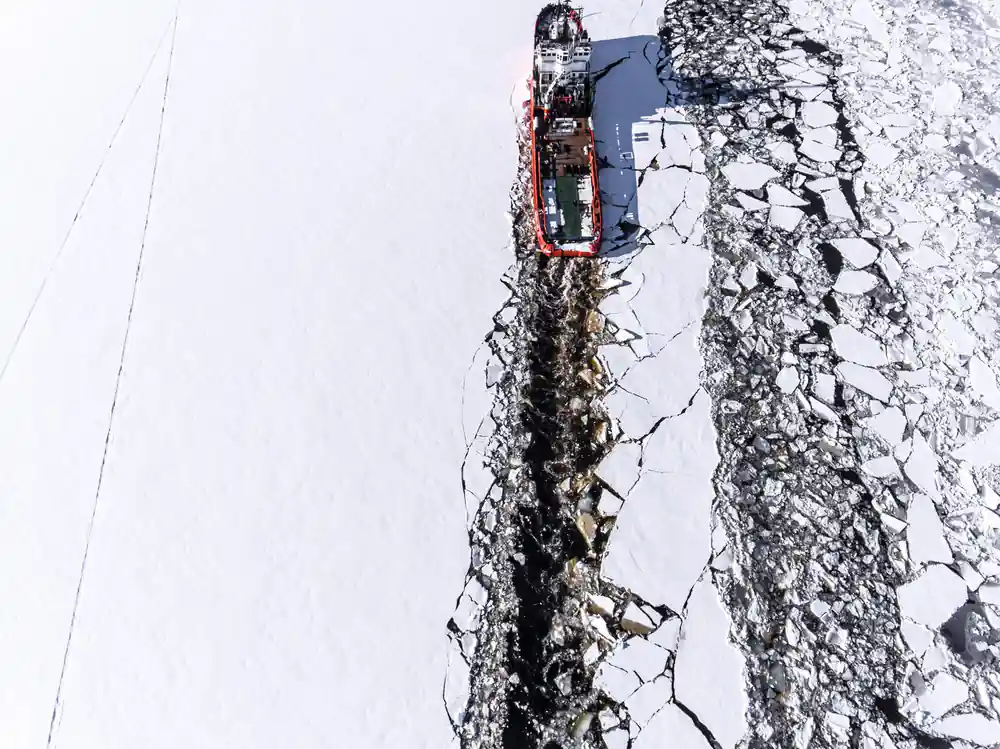
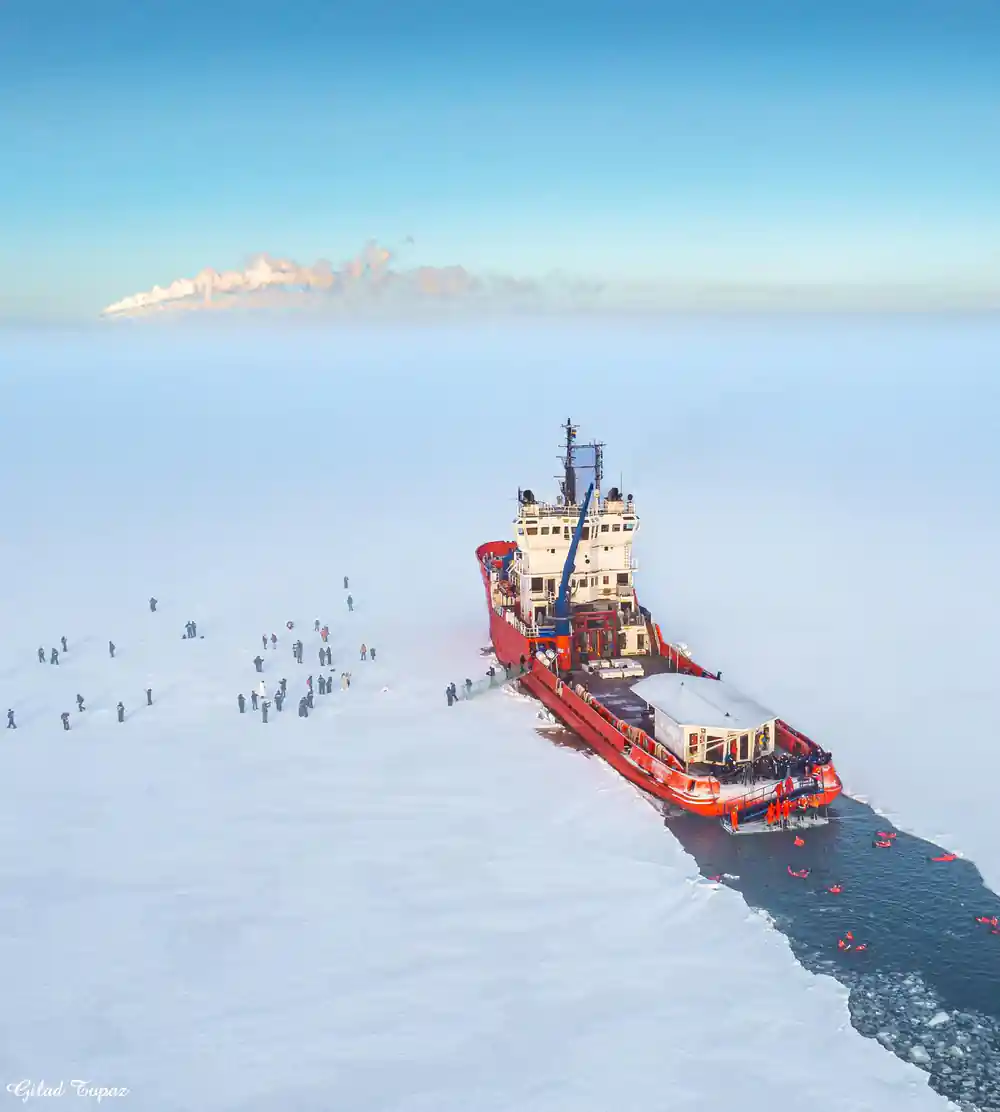
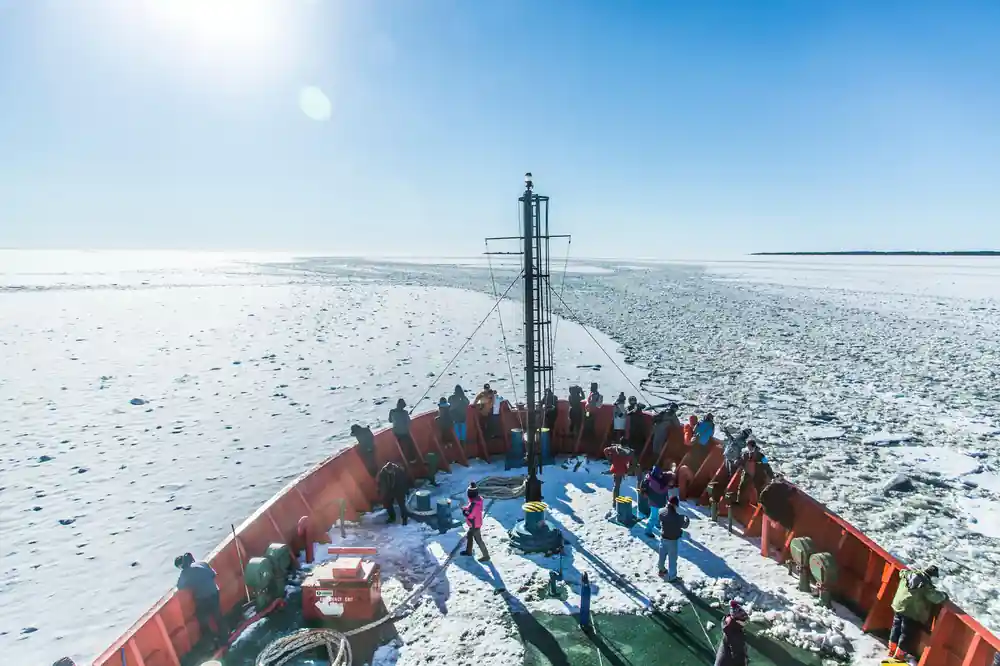
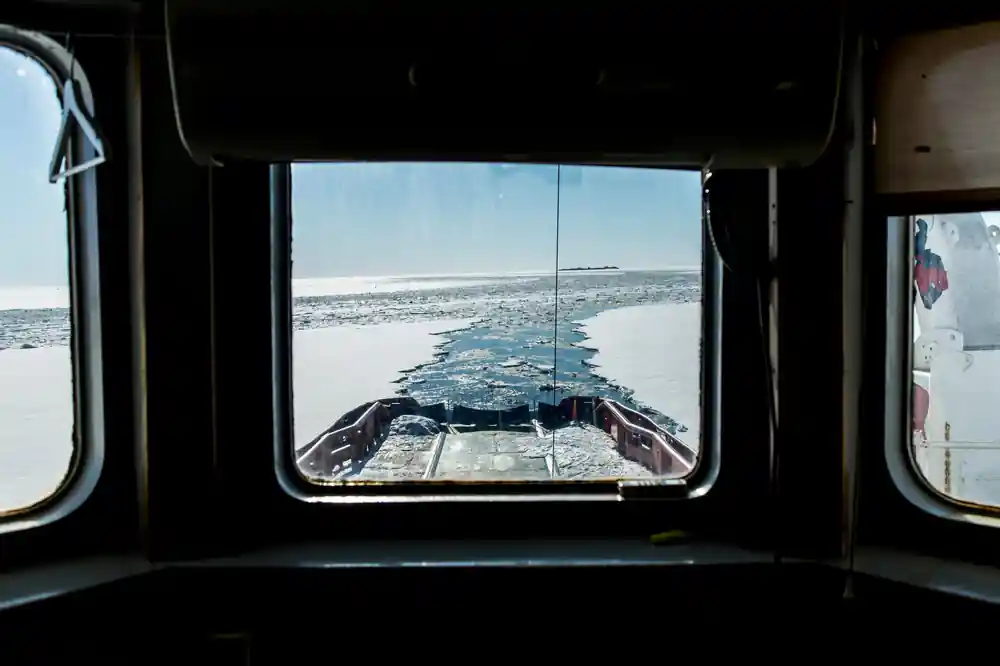
A coach collects you in Finnish Lapland and drives north-west to the coast, crossing into Sweden on the way. At a cruise terminal on the shore of the Bothnian Bay you check in and board an icebreaker, which then spends the middle of the day working out into a frozen sea, breaking it, and stopping in the channel it has made.
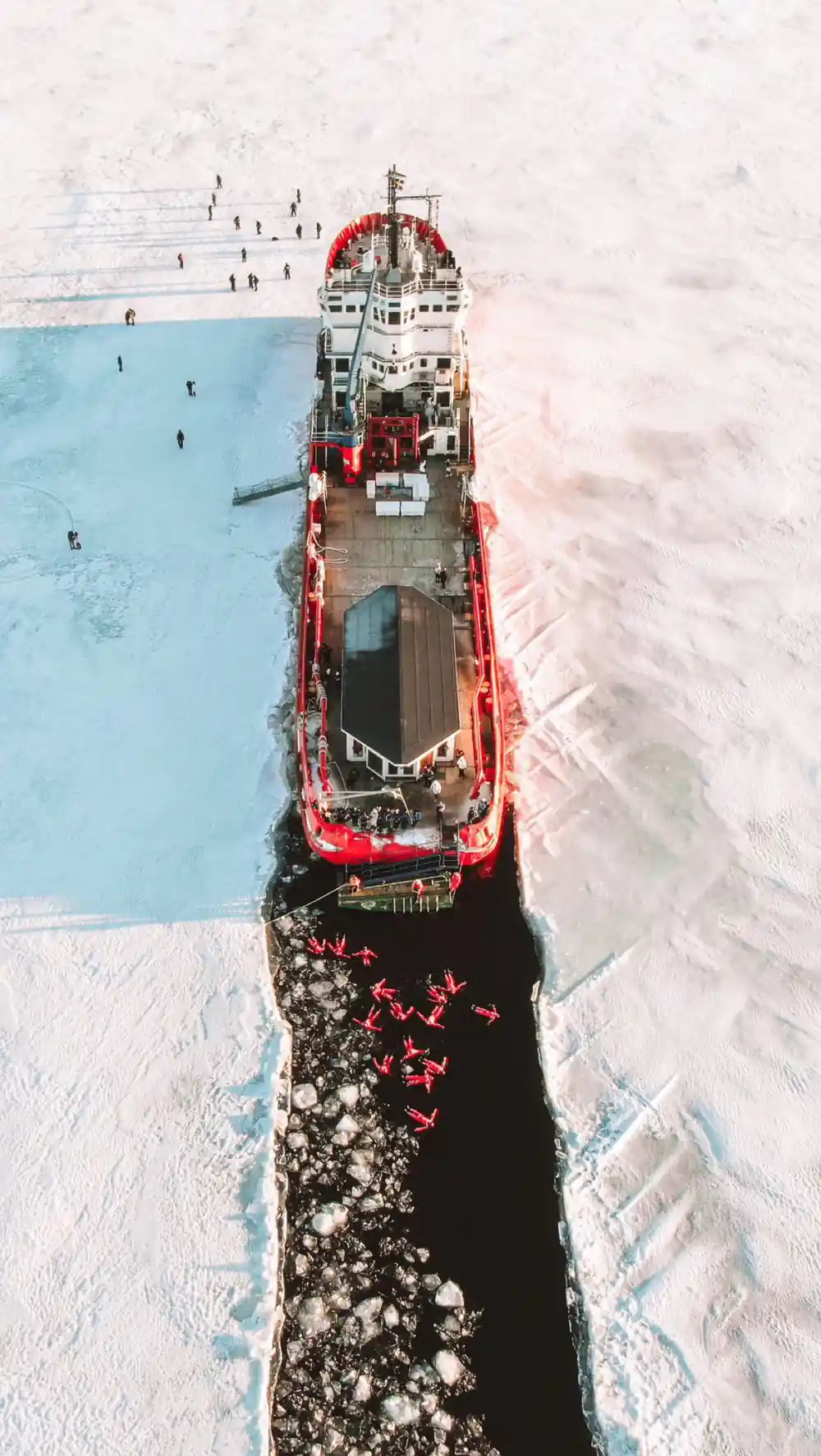
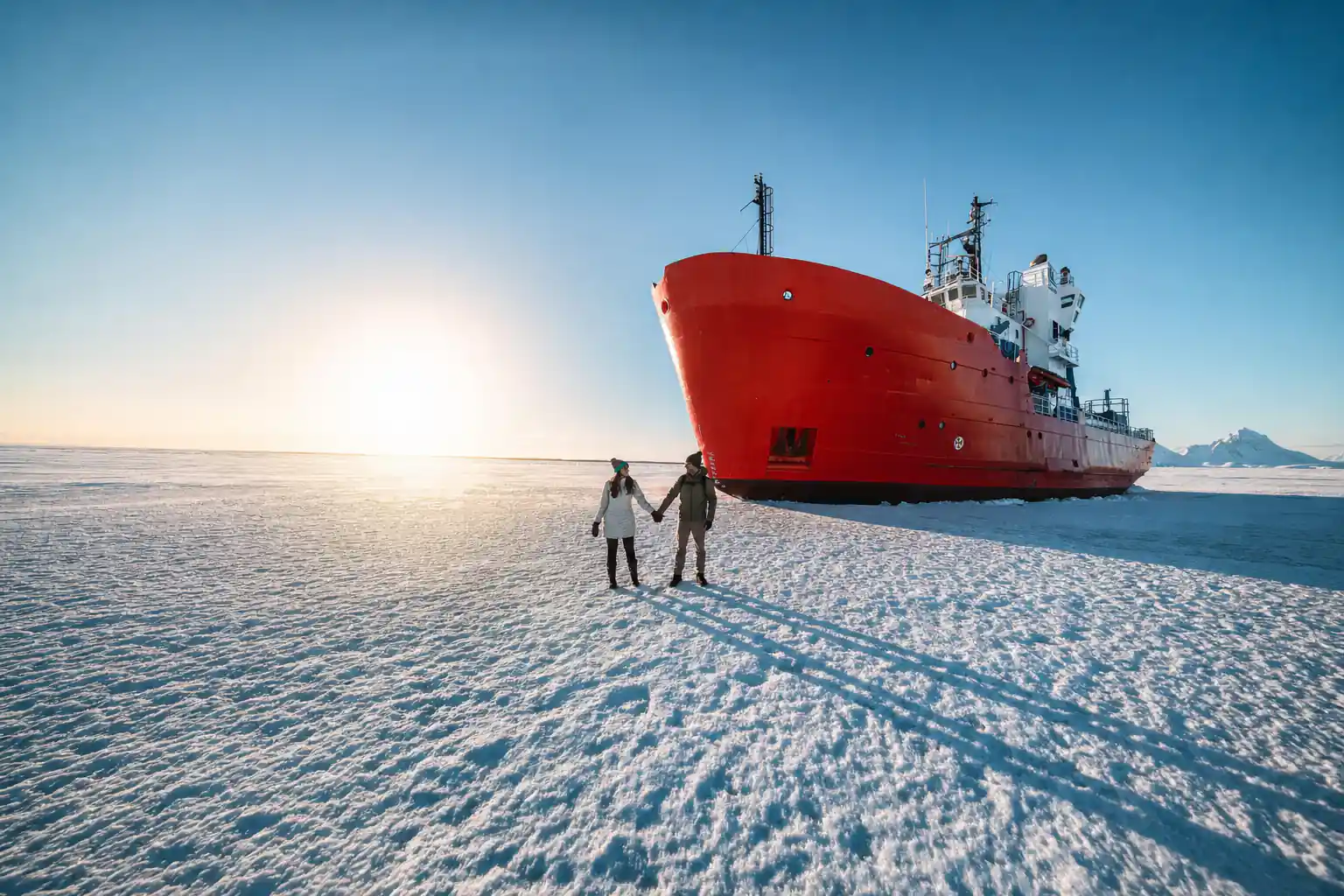
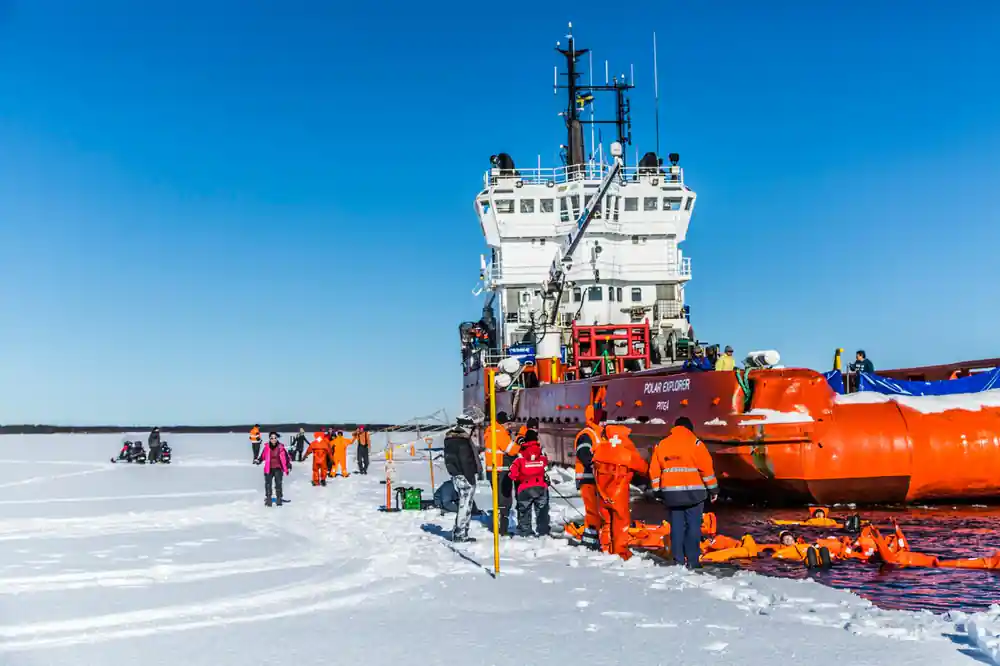
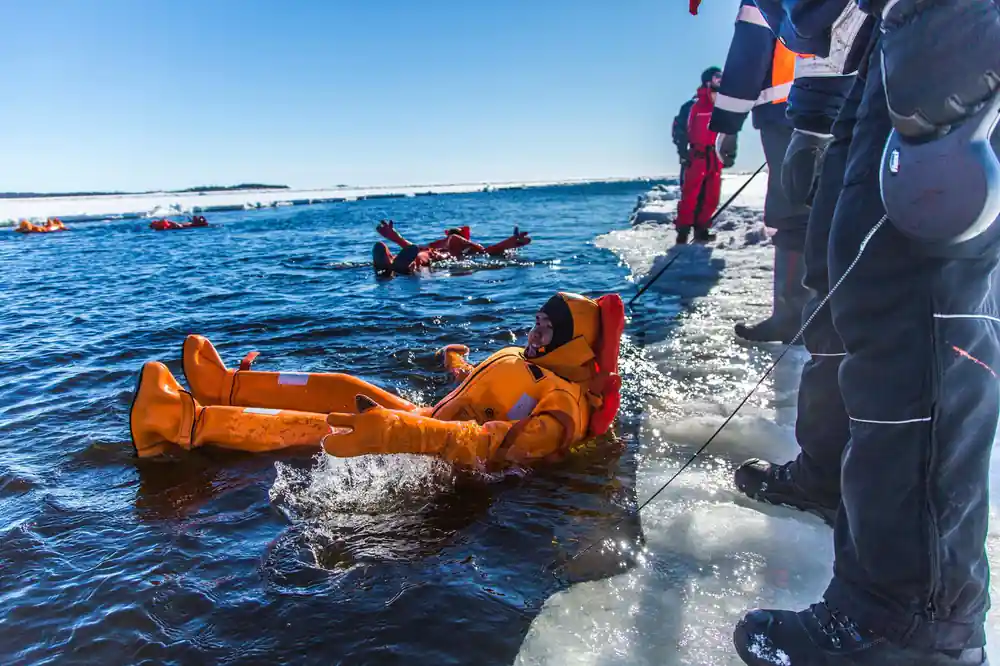
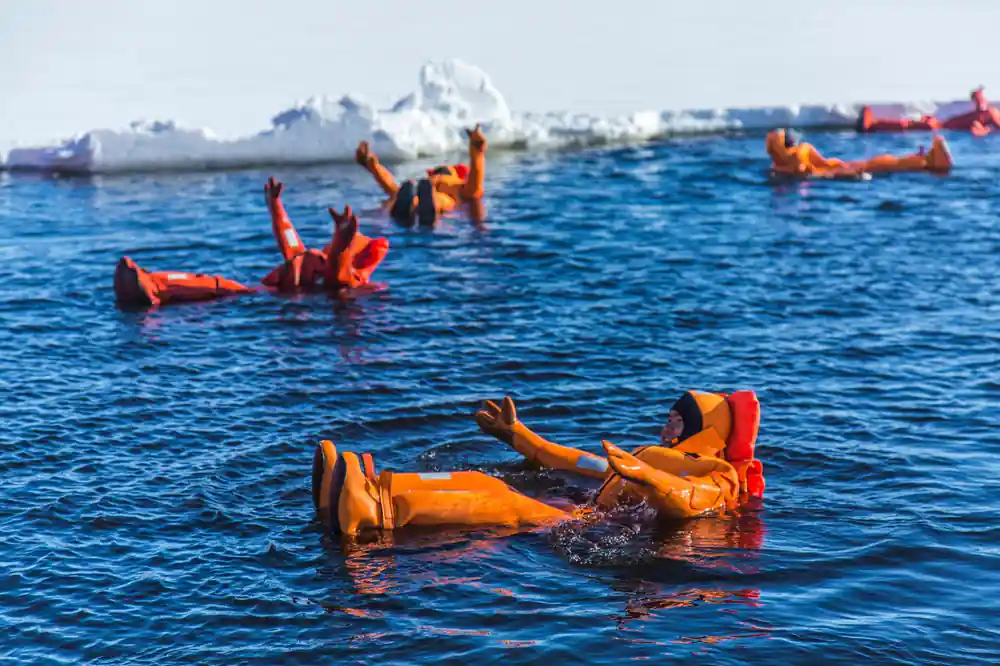
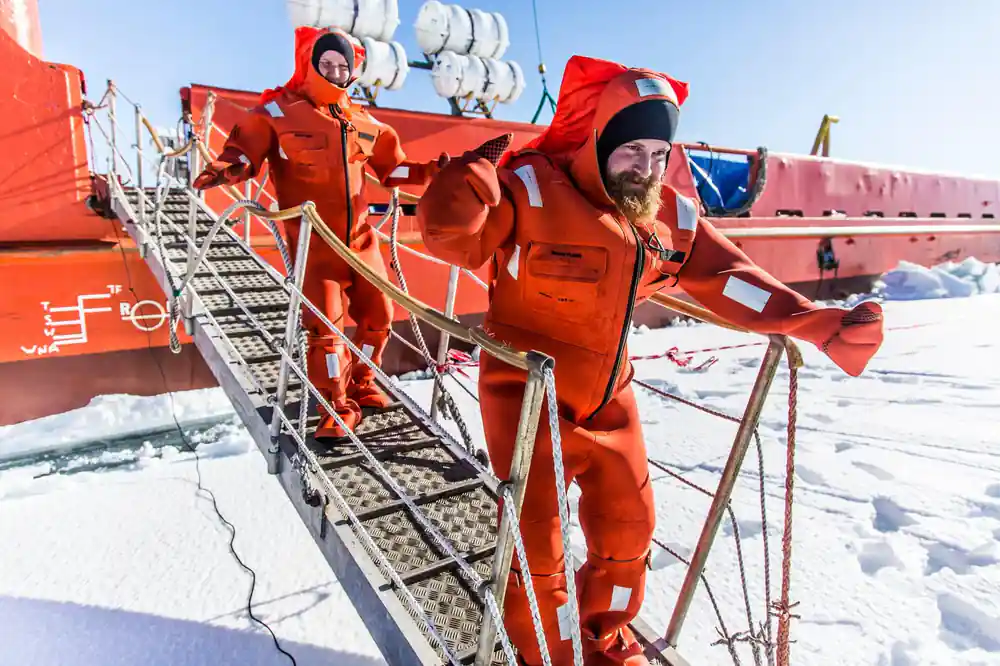
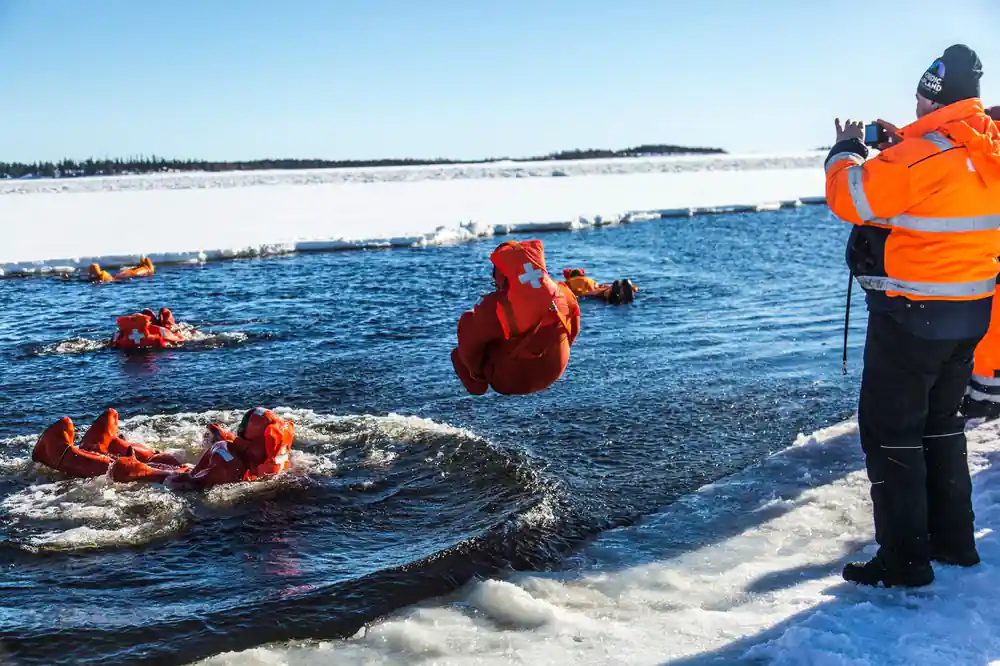
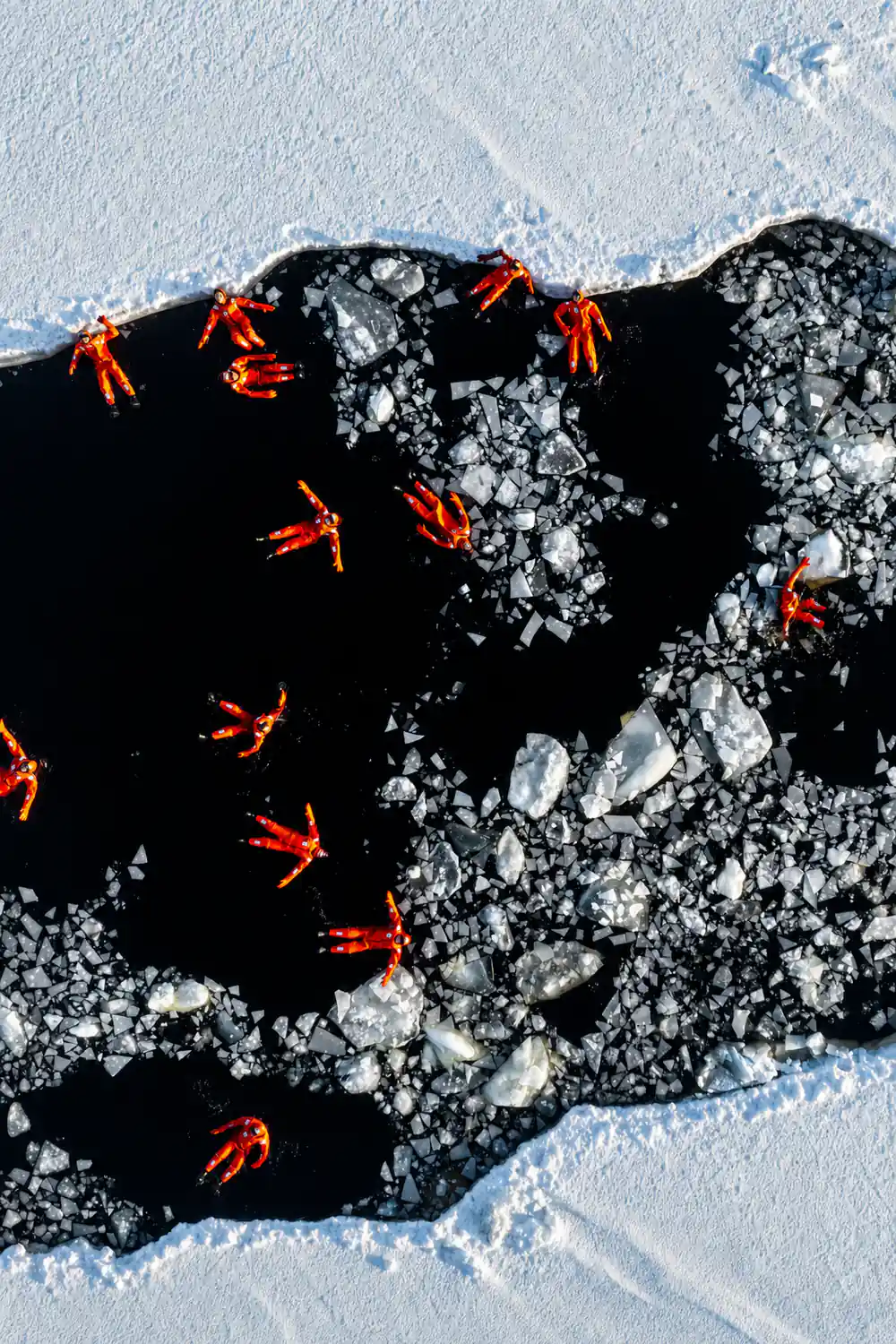
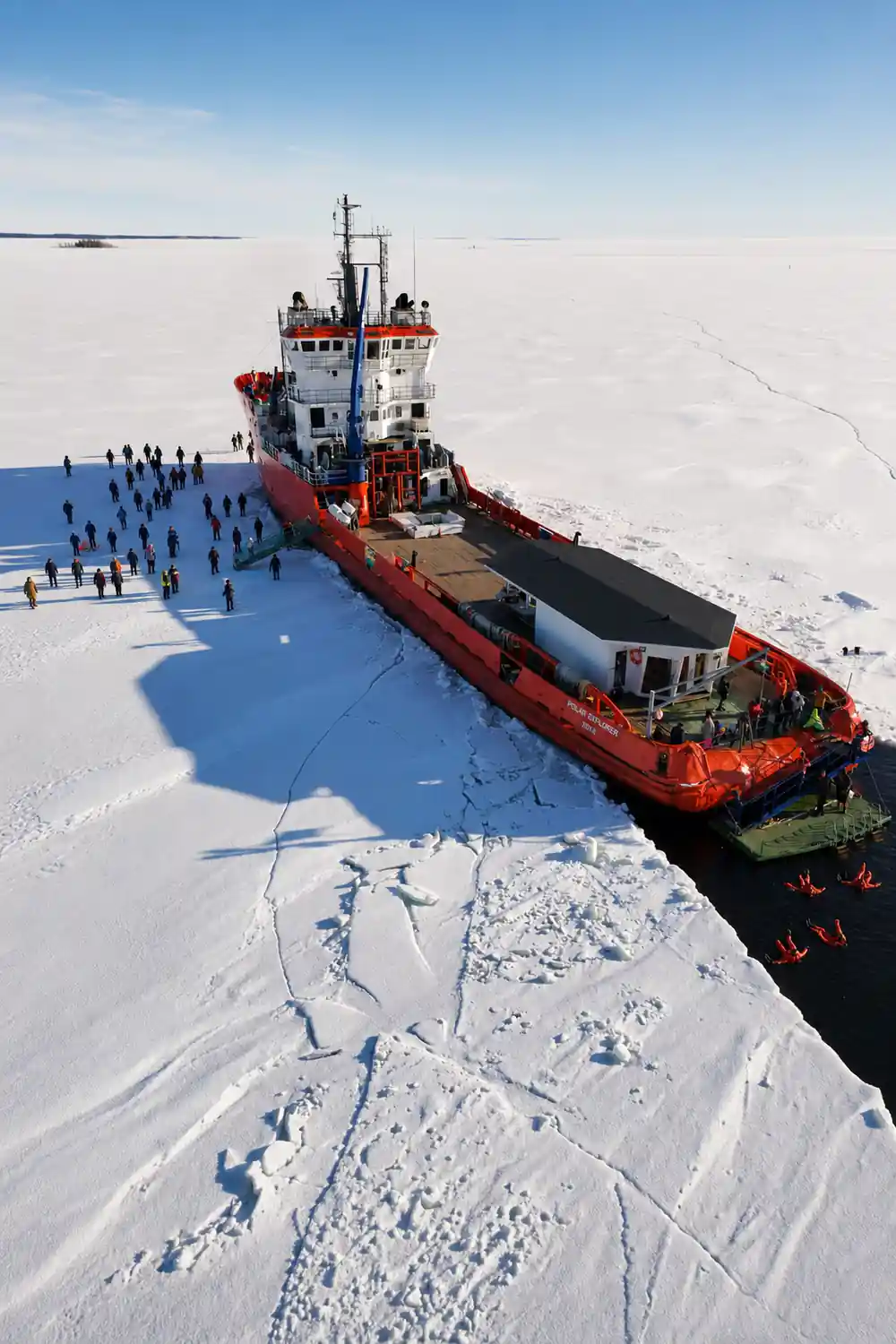
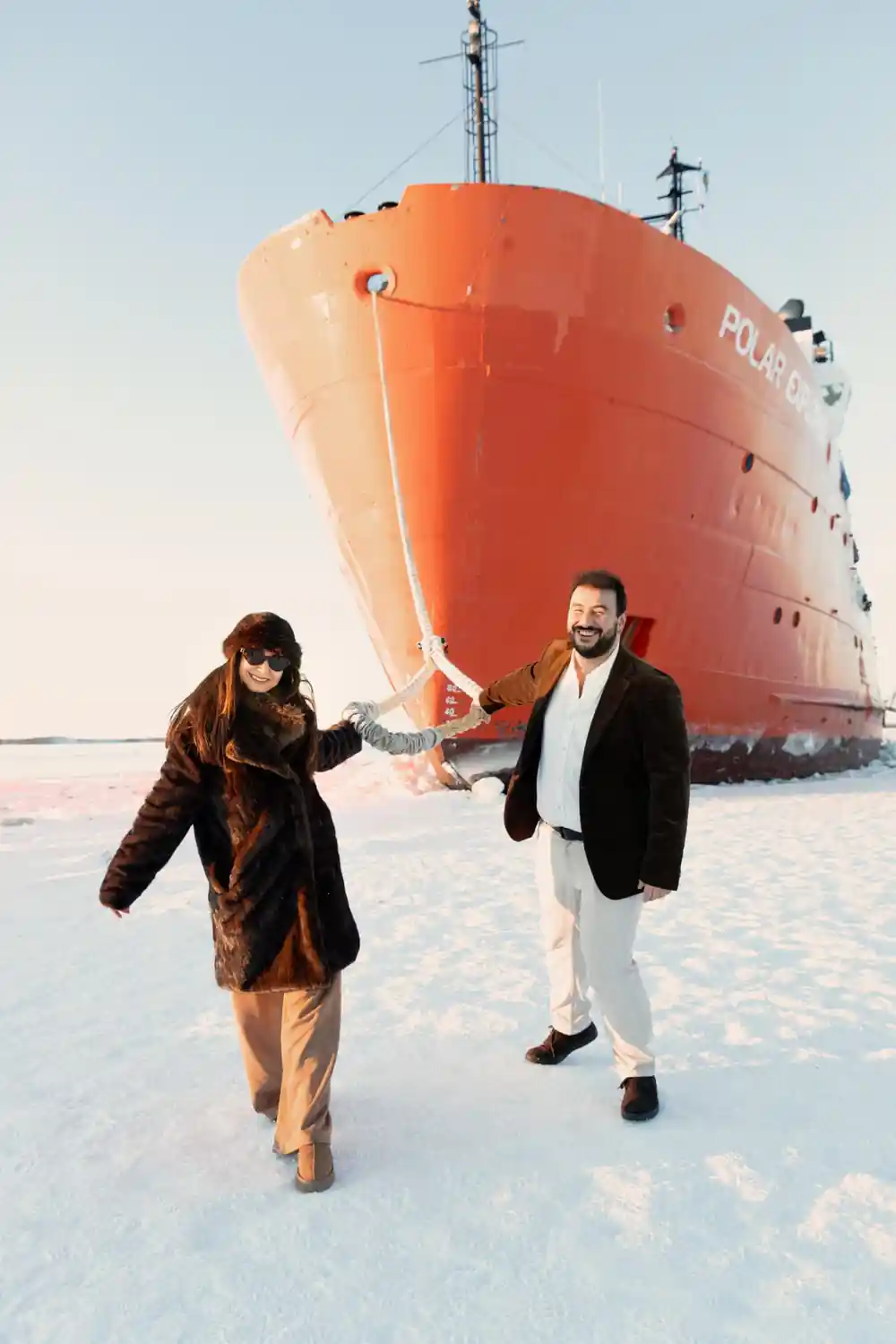
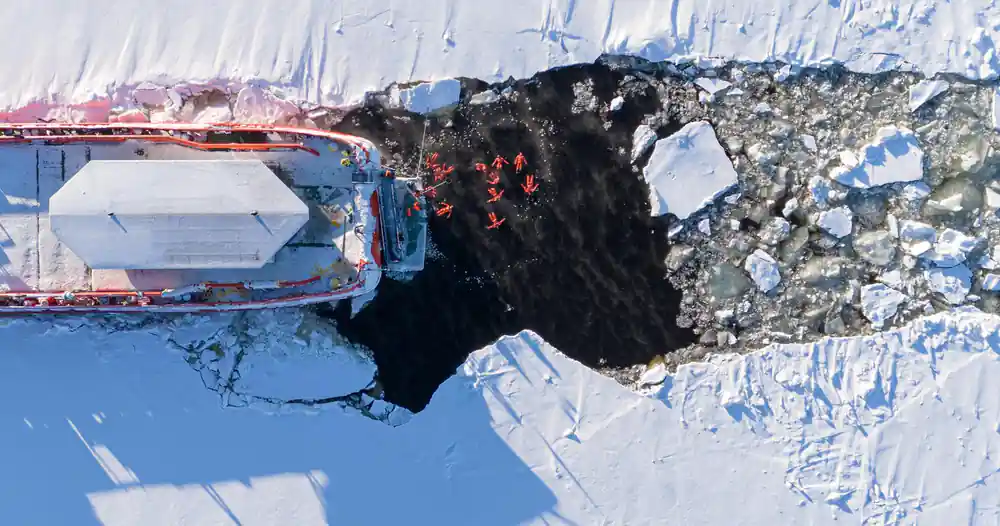
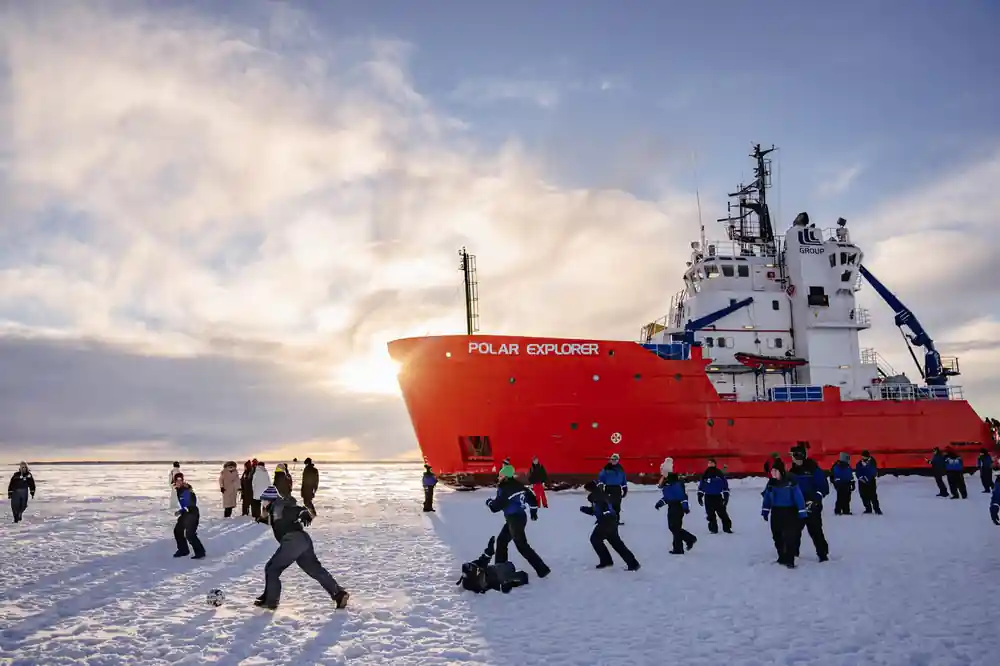
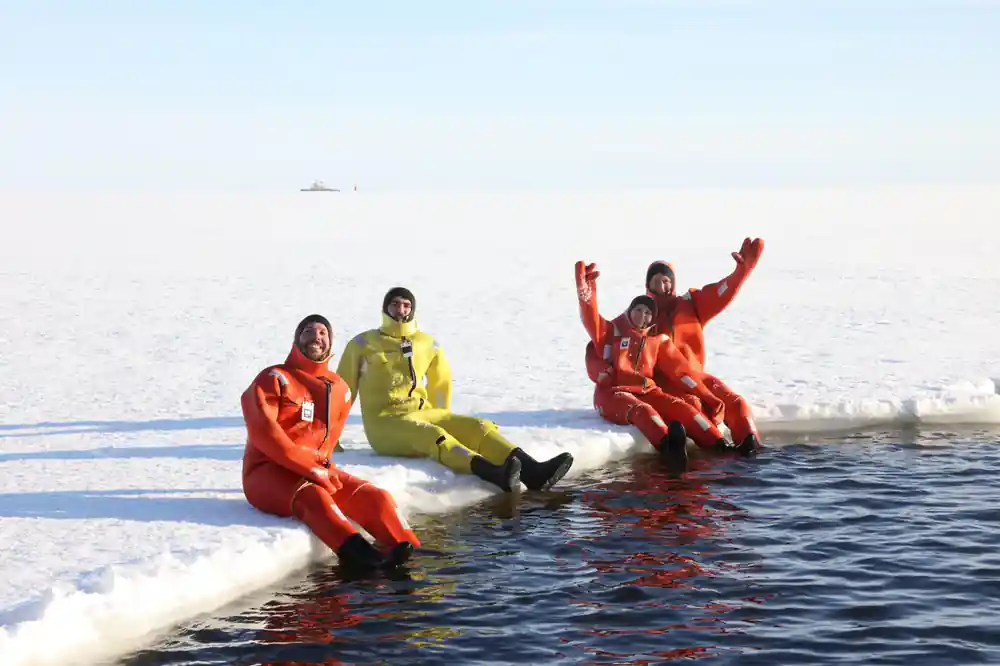
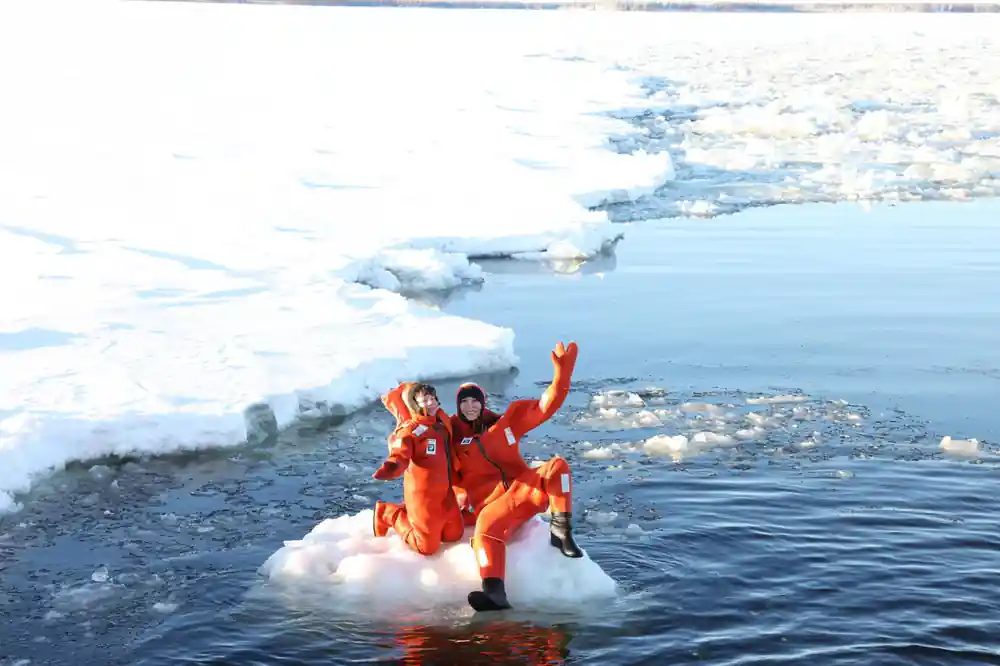
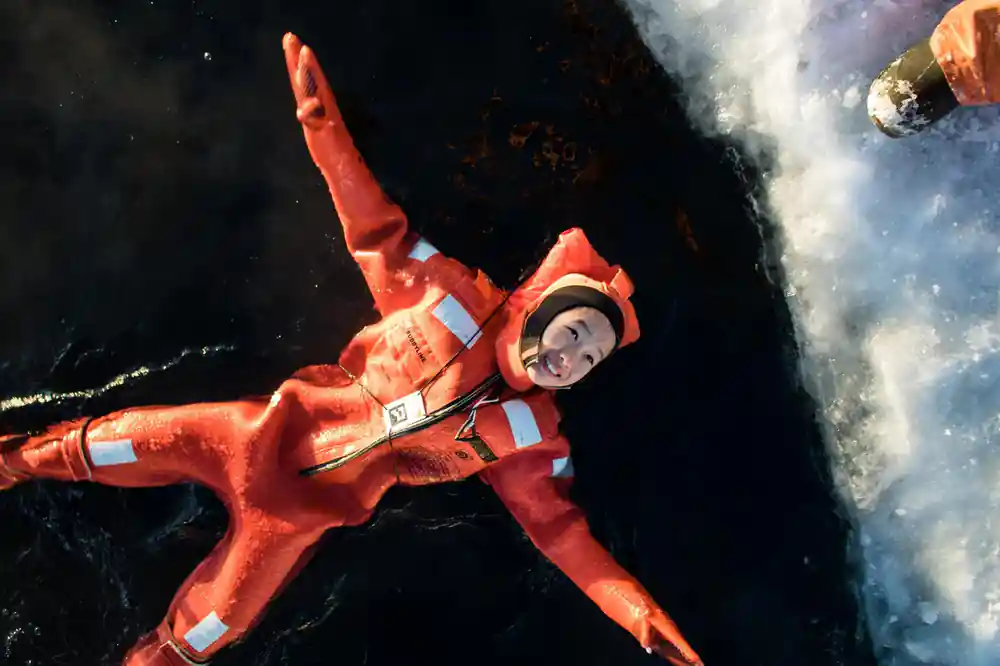
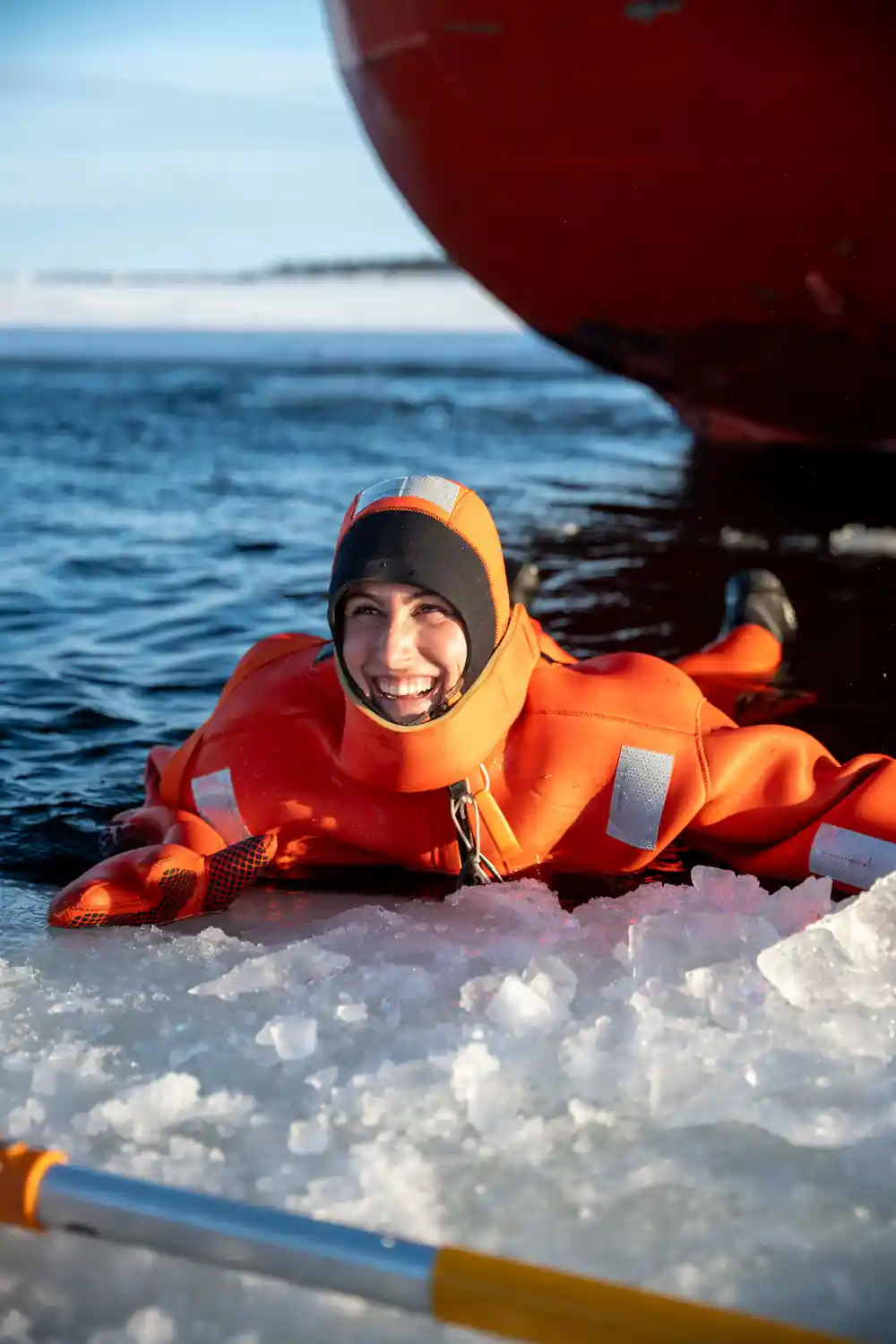
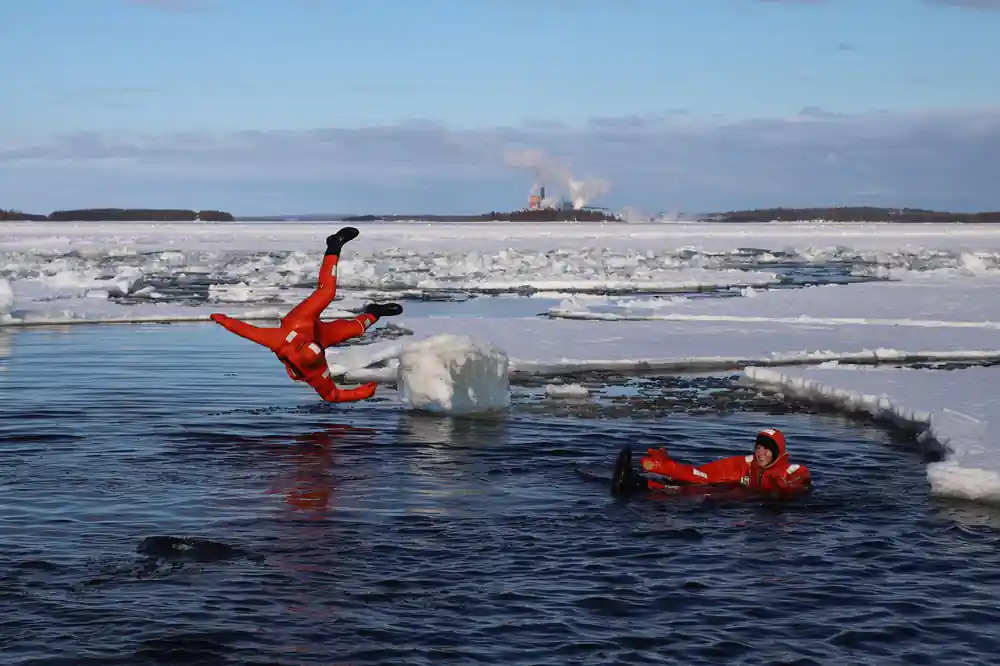
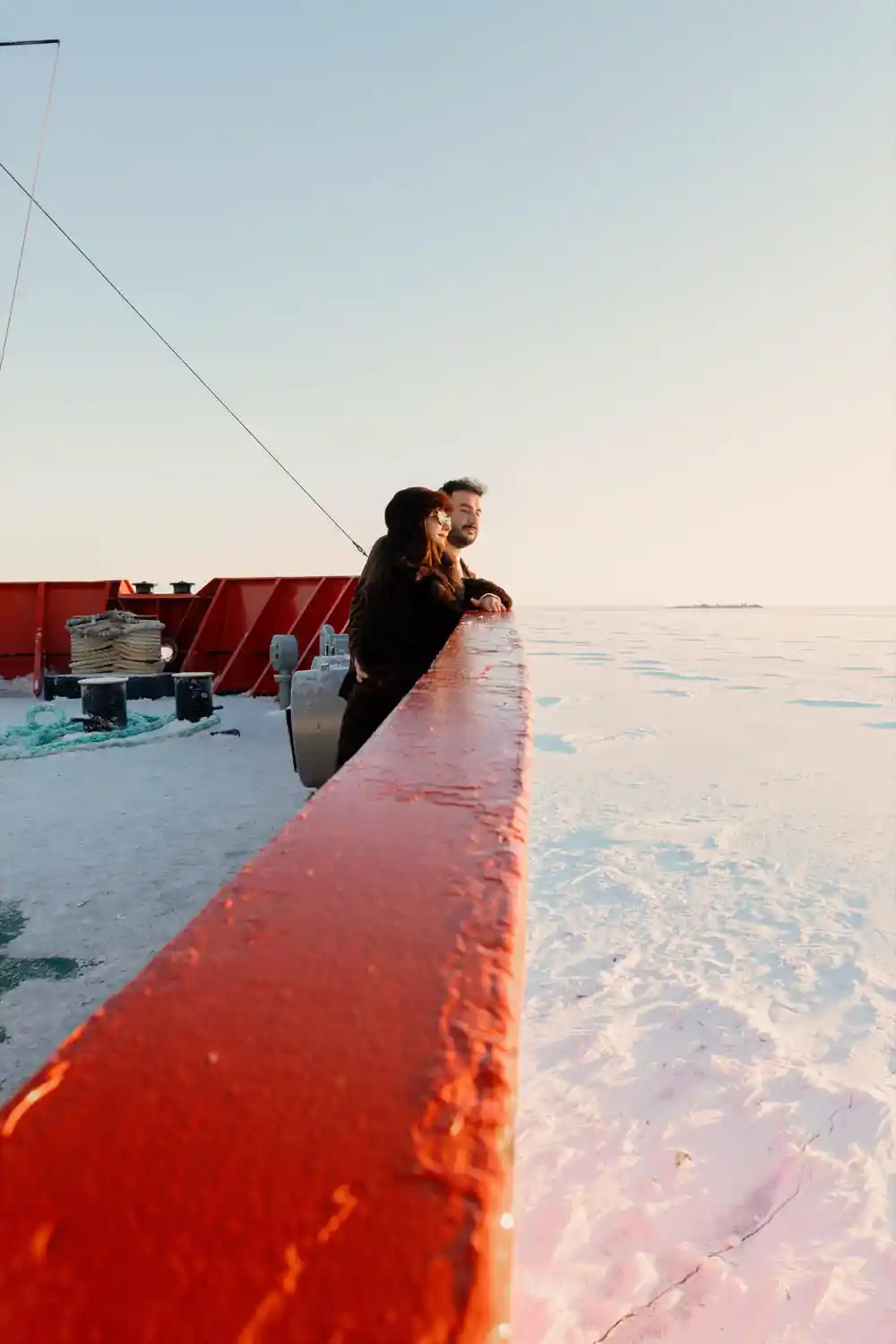
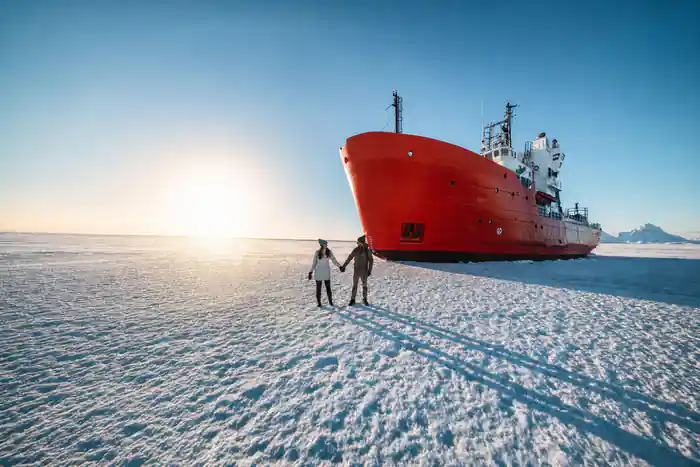
While the ship is stopped you do two things that are difficult to arrange anywhere else. You put on a full-body survival suit and float in water at about freezing point, on your back, between slabs of ice the ship has just broken. And, when the ice is thick enough, you walk on the sea itself.
Then the ship sails back, you re-board the coach, and you return in the dark. The whole thing is eight and a half hours, and it is worth understanding before booking that a good part of that is road.
The ship
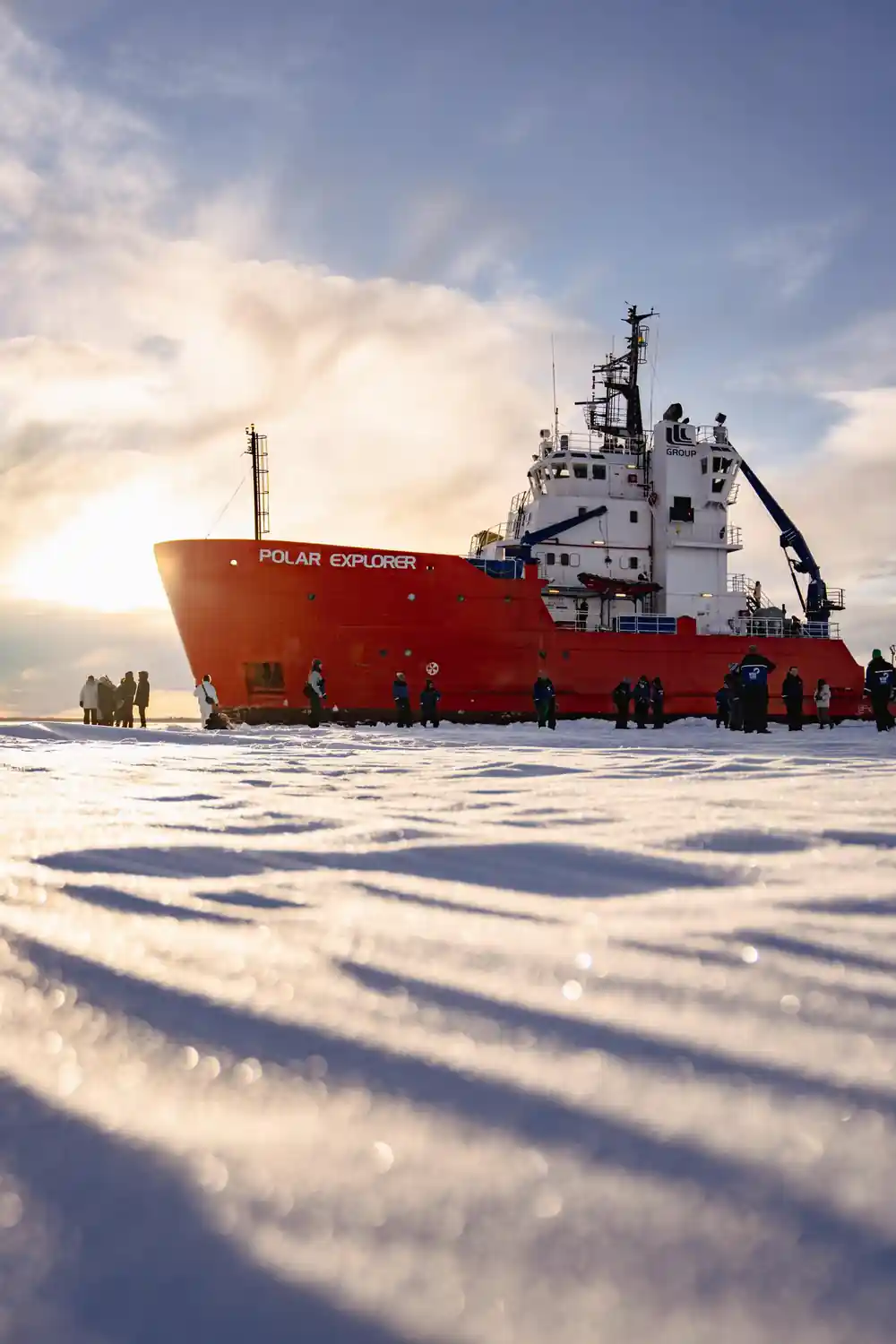
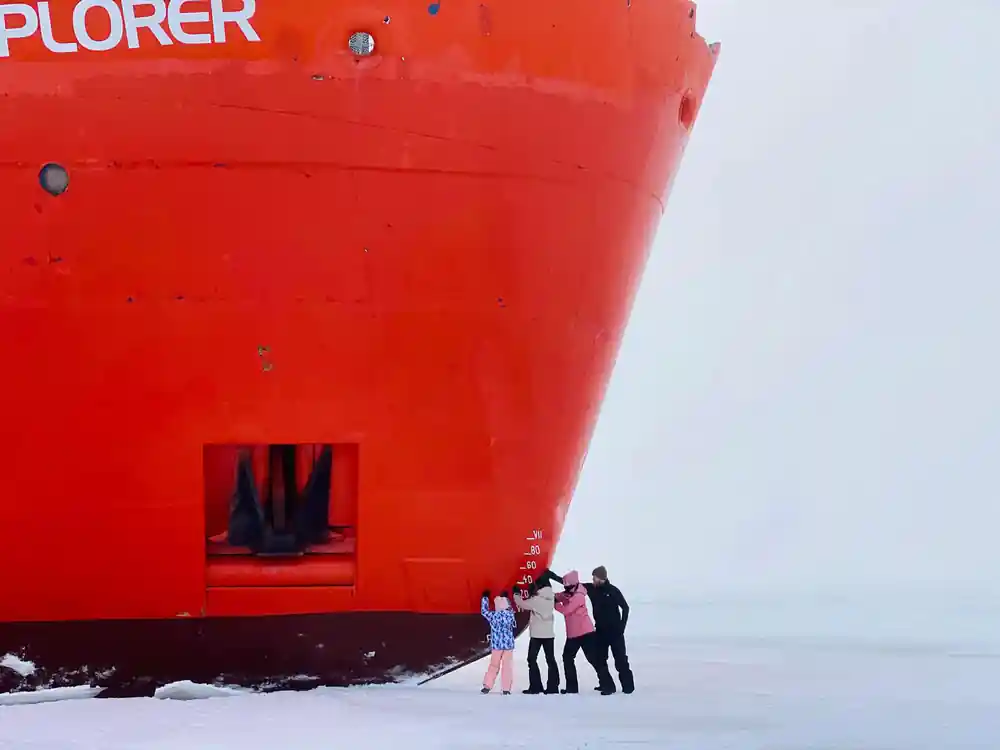
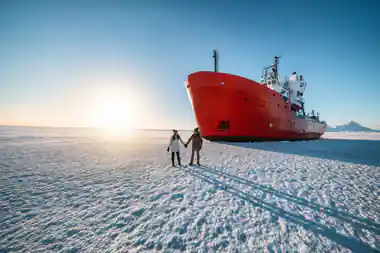
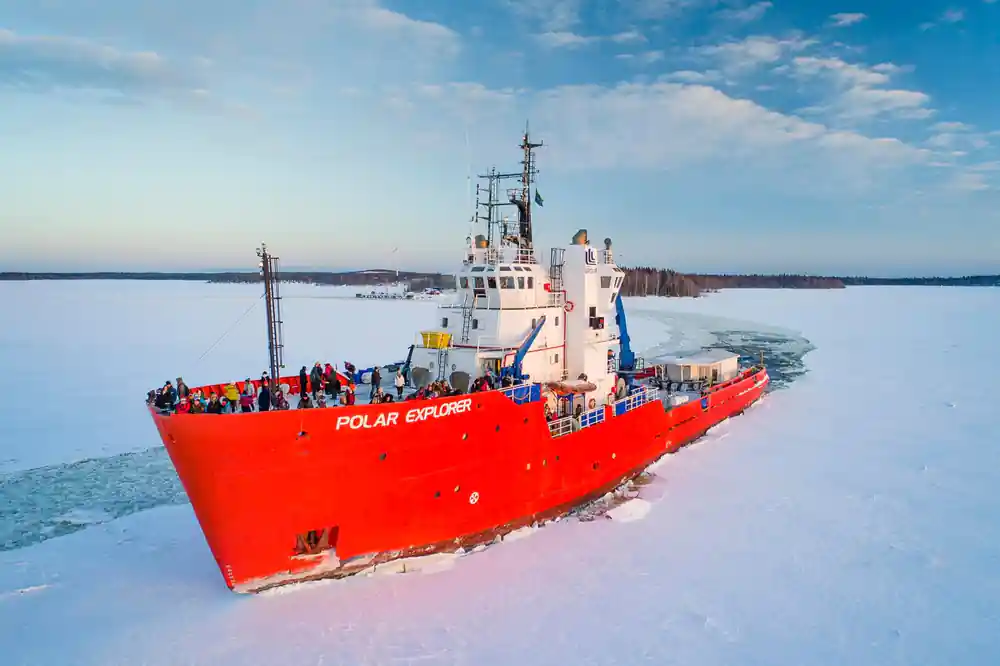
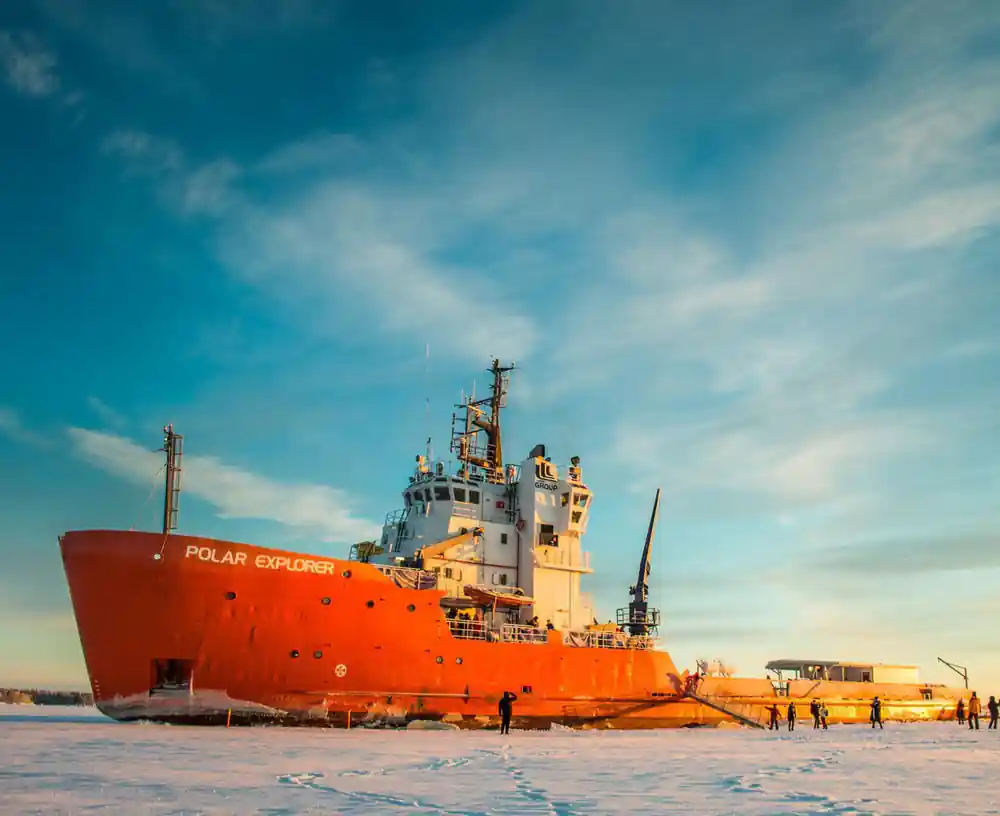
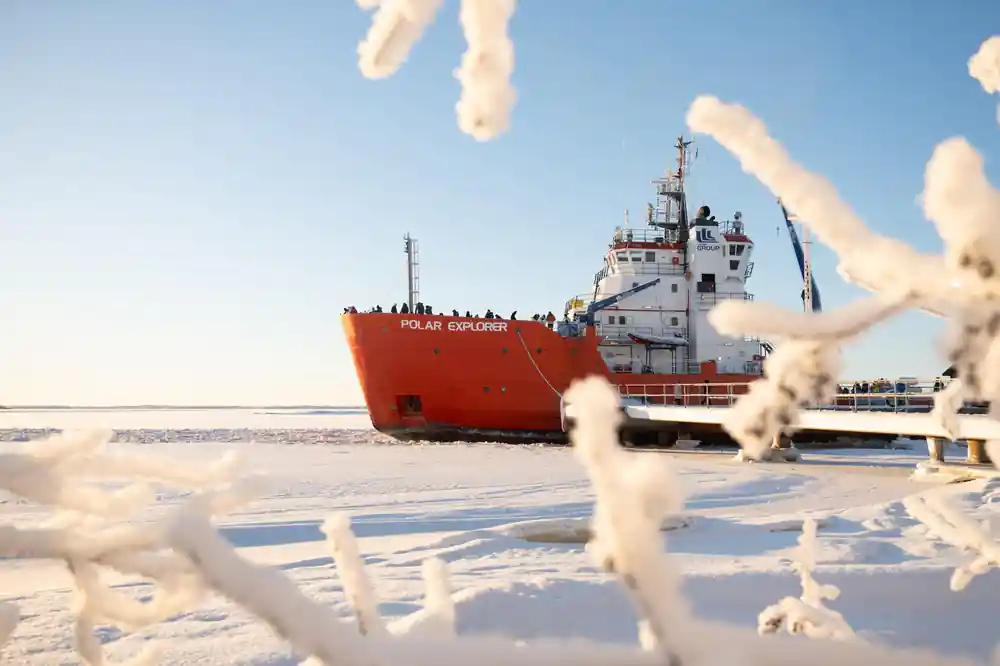
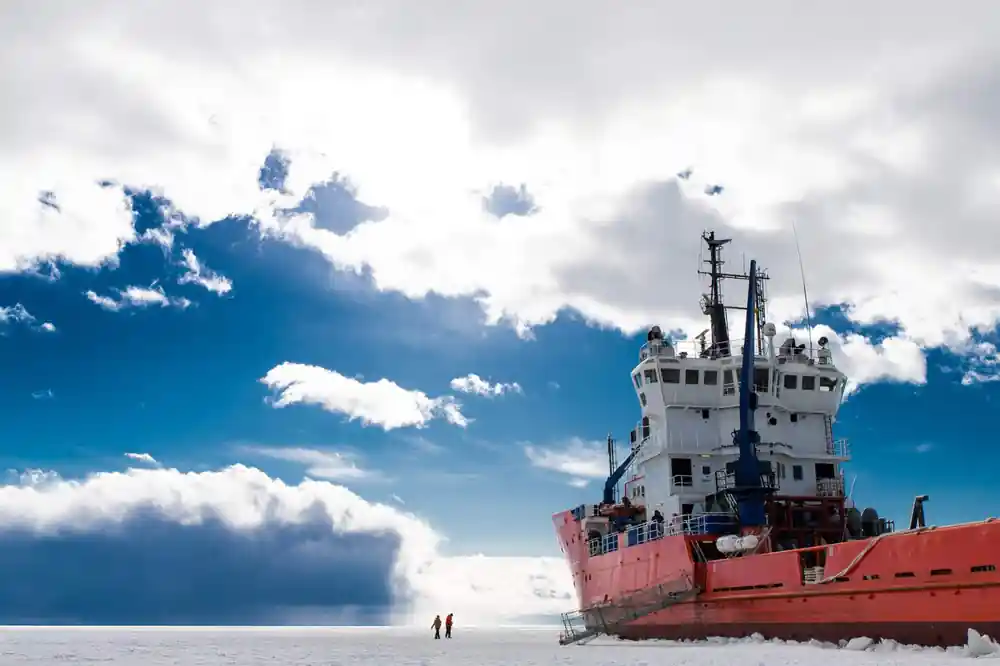
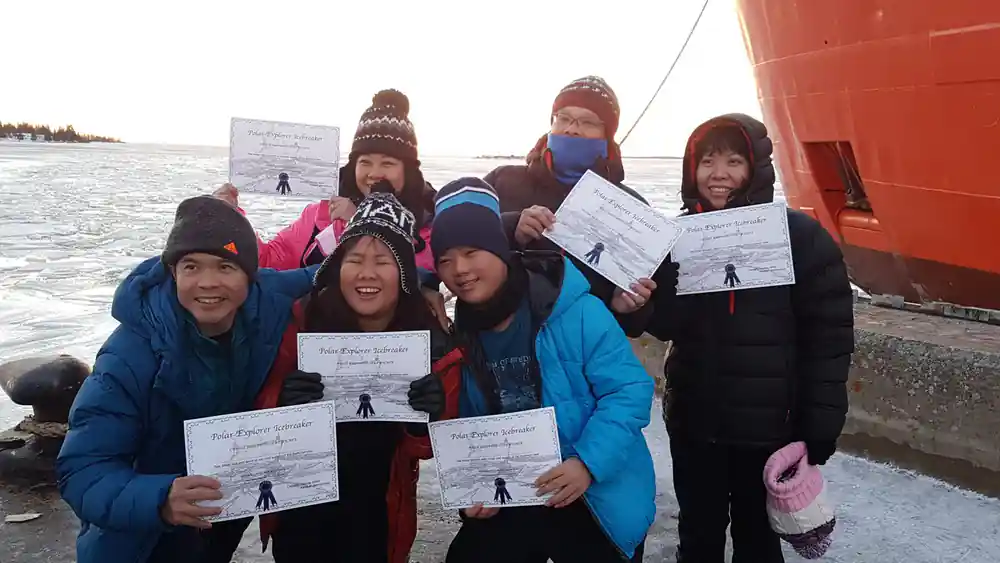
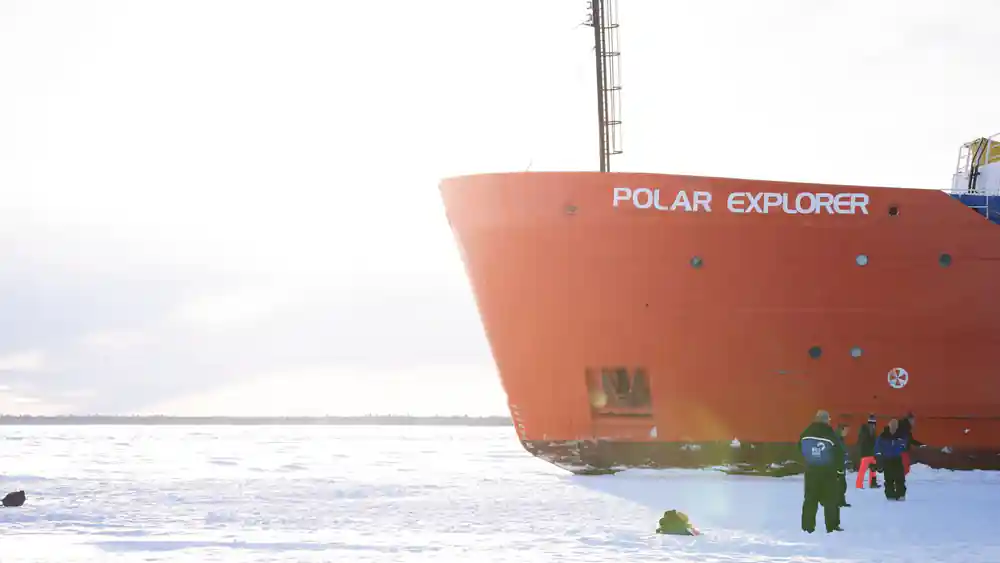
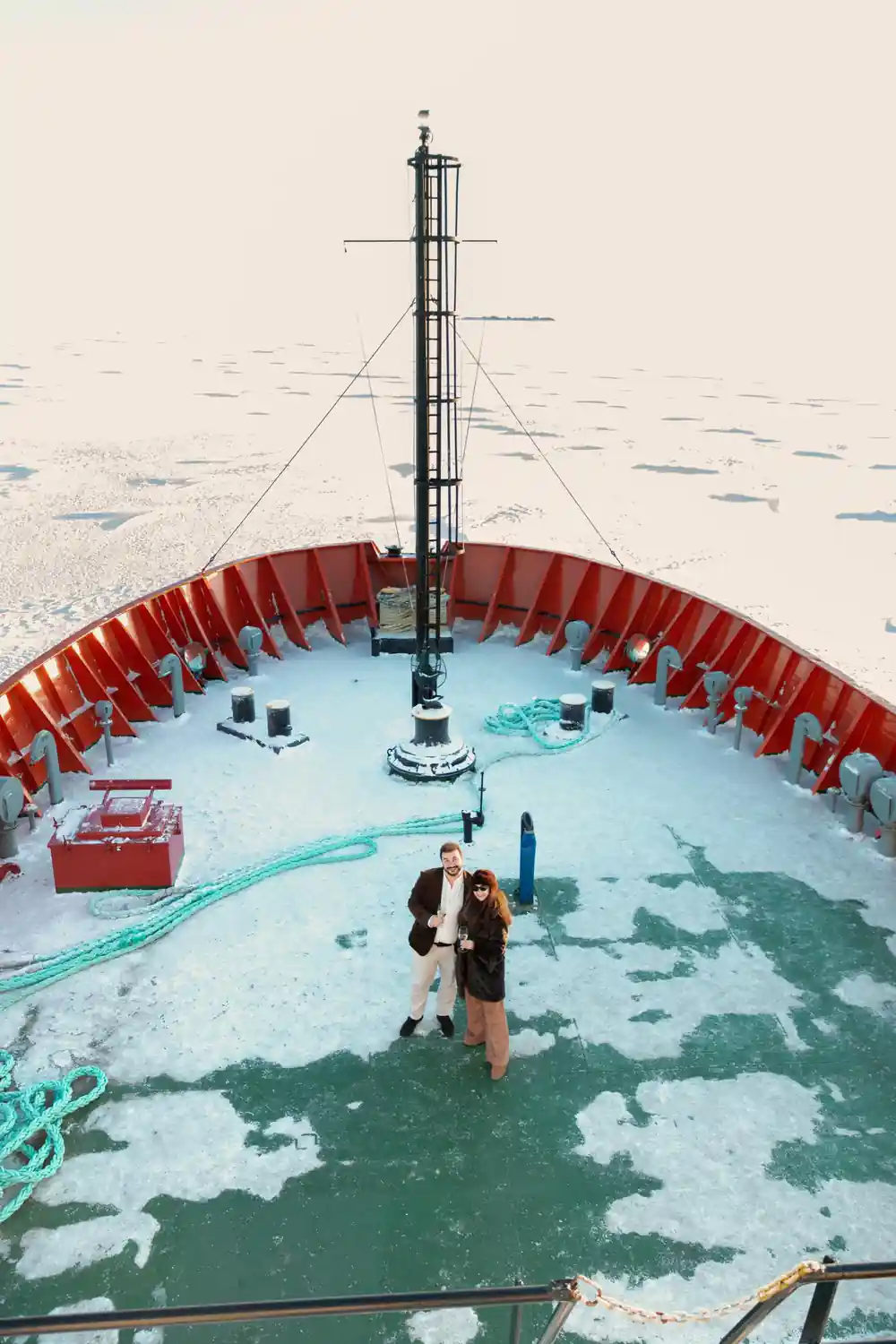
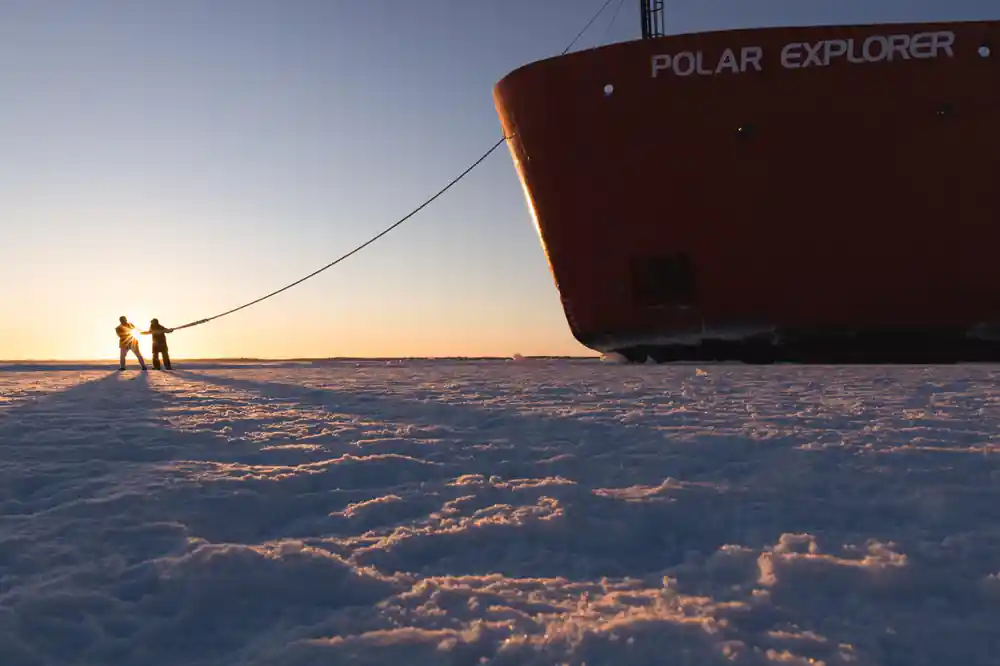
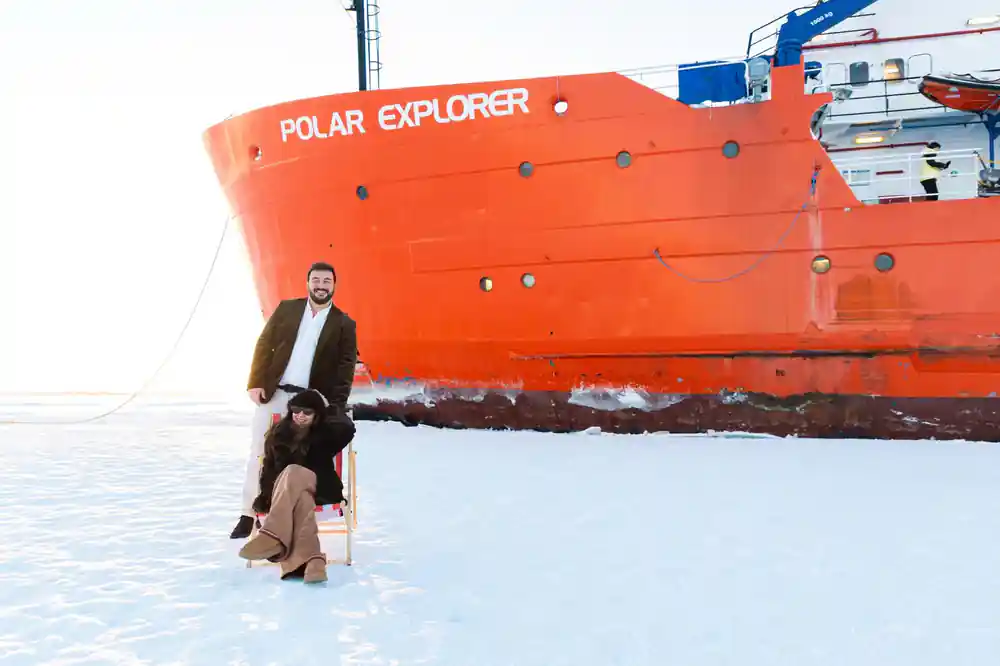
The vessel is the Polar Explorer, a red-hulled working icebreaker rather than a cruise ship dressed up as one. The name is not in the booking text, but it is painted along the bow in a number of the operator's own photographs and printed on the certificates handed out at the end.
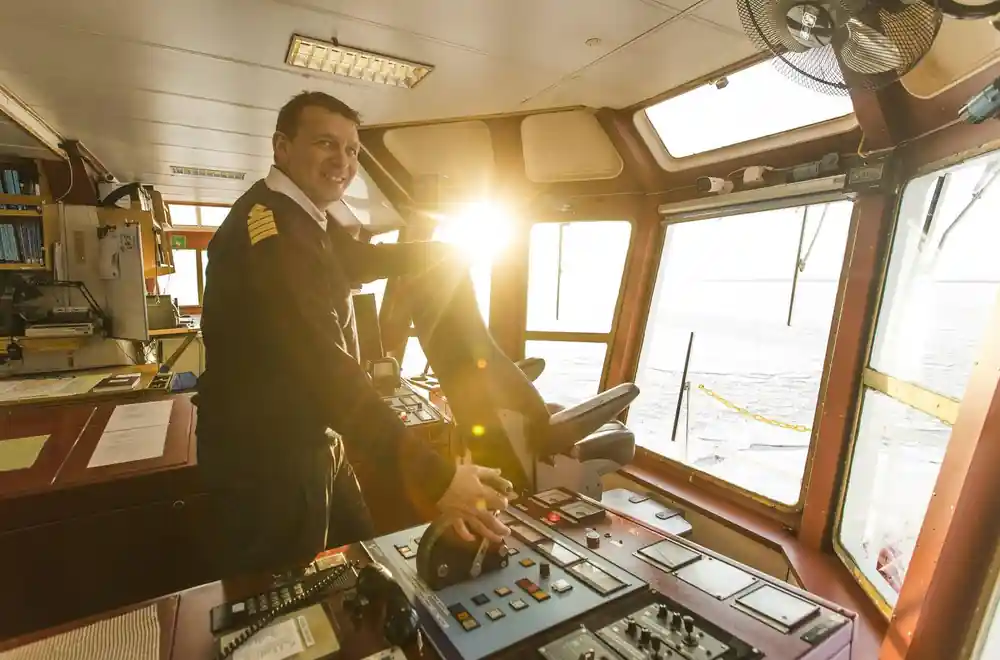
Seven decks are open to passengers with an audio guide app that runs in sixteen languages, which on a ship this size means you get into places a tour would normally keep you out of. The bridge is one of them. There is a theatre below with an eleven-minute film about icebreakers, and a cafeteria where lunch, snacks and drinks are bought rather than included.
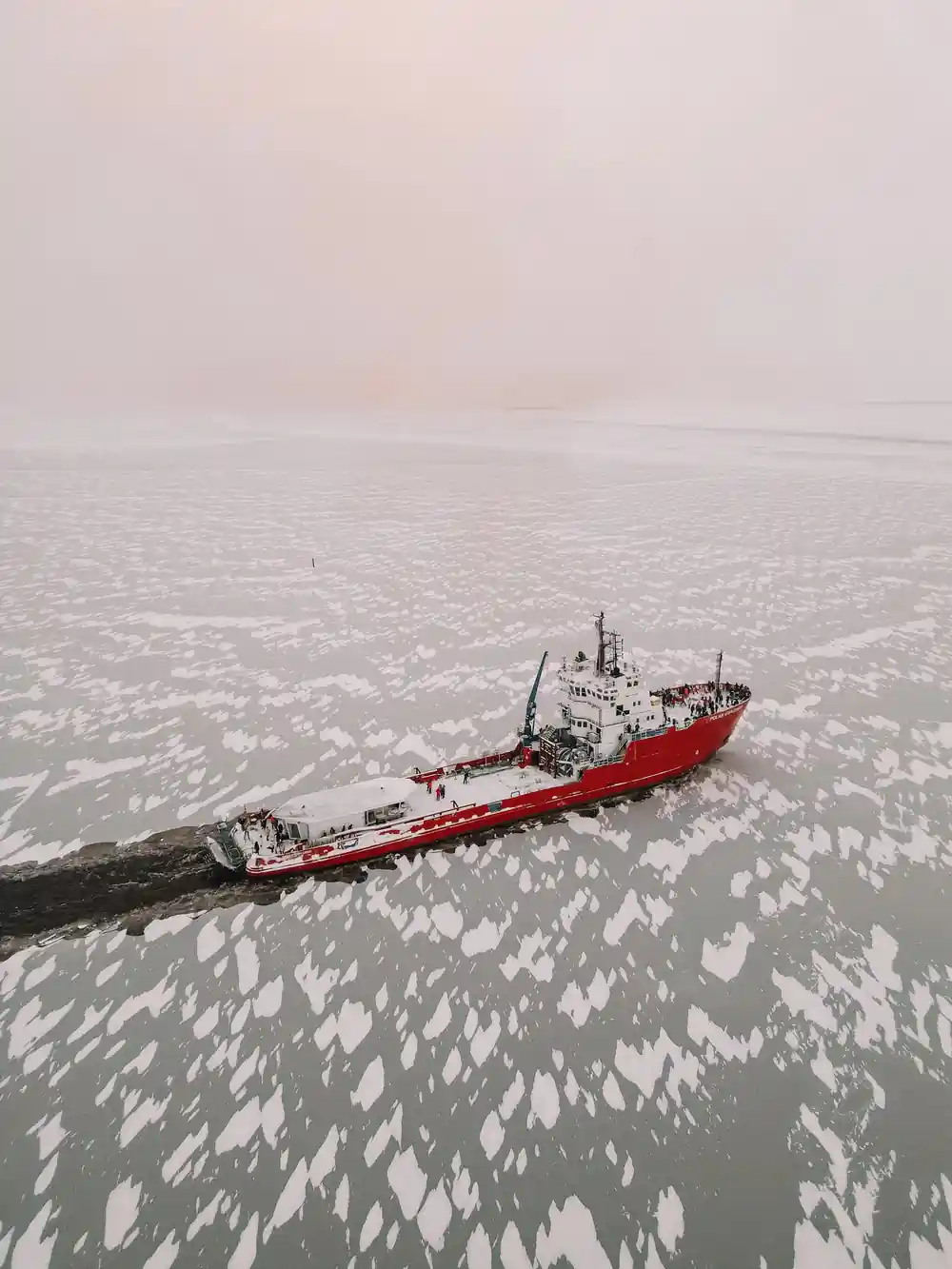
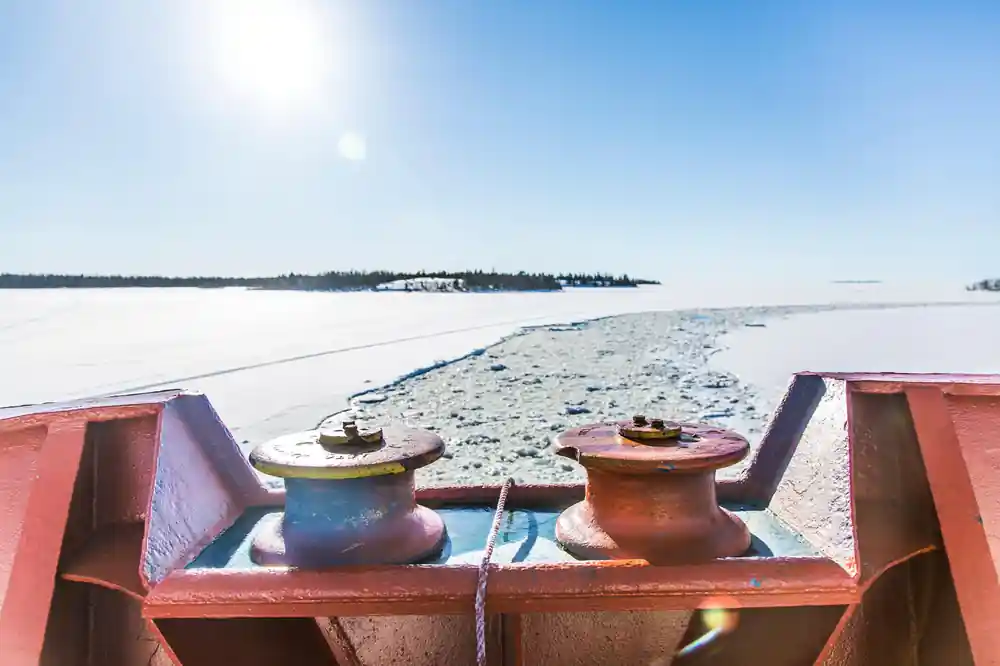
What the ship is doing, mechanically, is not sawing through ice. An icebreaker rides up onto the sheet and lets its own weight break it downwards, then pushes the pieces aside and does it again. From inside, that arrives as a slow rhythmic groan through the hull rather than a crash, and it is the sound people remember longest.
The sea that freezes
The Bothnian Bay is the northern end of the Gulf of Bothnia, which is itself the northern arm of the Baltic. Several large rivers empty into it, and the result is water that is barely salt at all: a small fraction of ocean salinity, closer to fresh than to sea.
That matters because salt lowers the freezing point. Ocean water has to reach nearly minus two degrees before it will freeze; water this fresh freezes at close to zero. Add a shallow bay, a long dark winter and air temperatures that sit below minus ten for weeks, and the sea turns solid rather than merely cold.
So the ice this ship breaks is real sea ice, formed in place, thickening through the season. That is also why the operator is careful about the ice walk: in early winter the sheet is not yet reliable, and the honest position is that walking on it may not be available until early January.
Floating in a survival suit
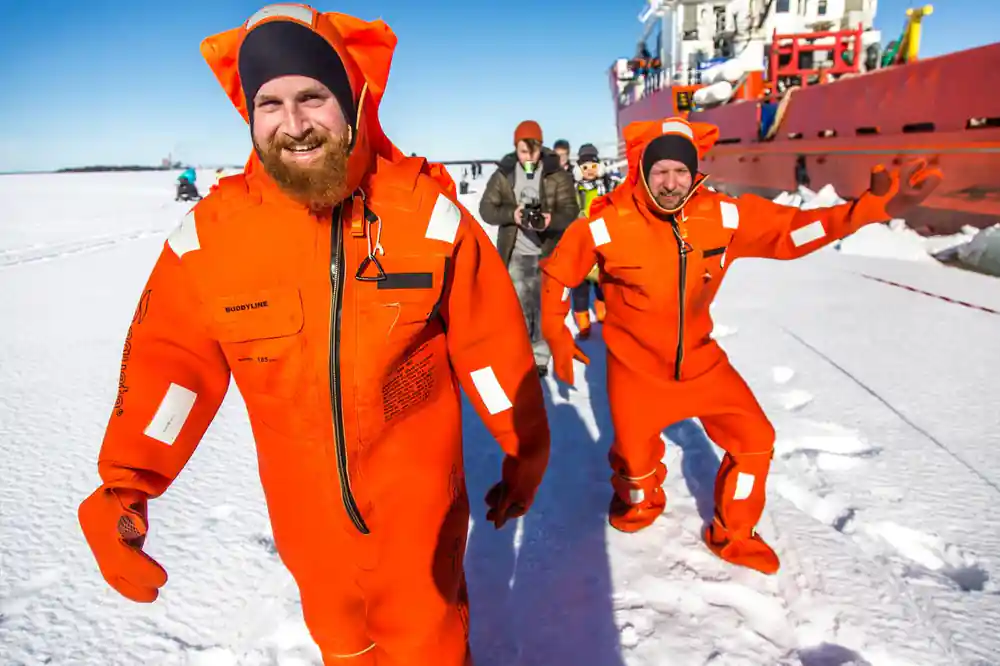
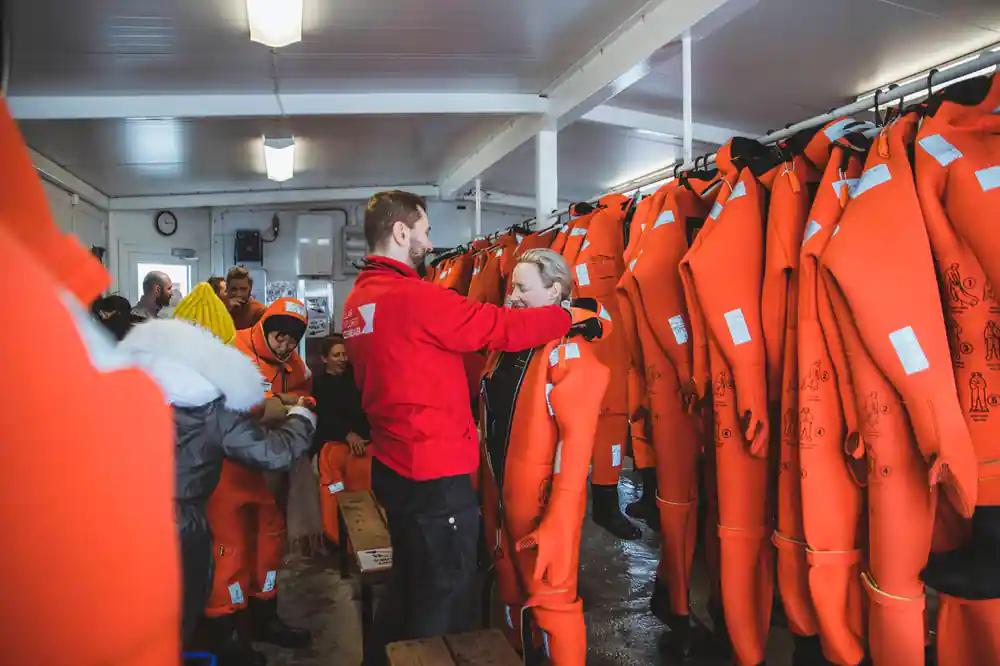
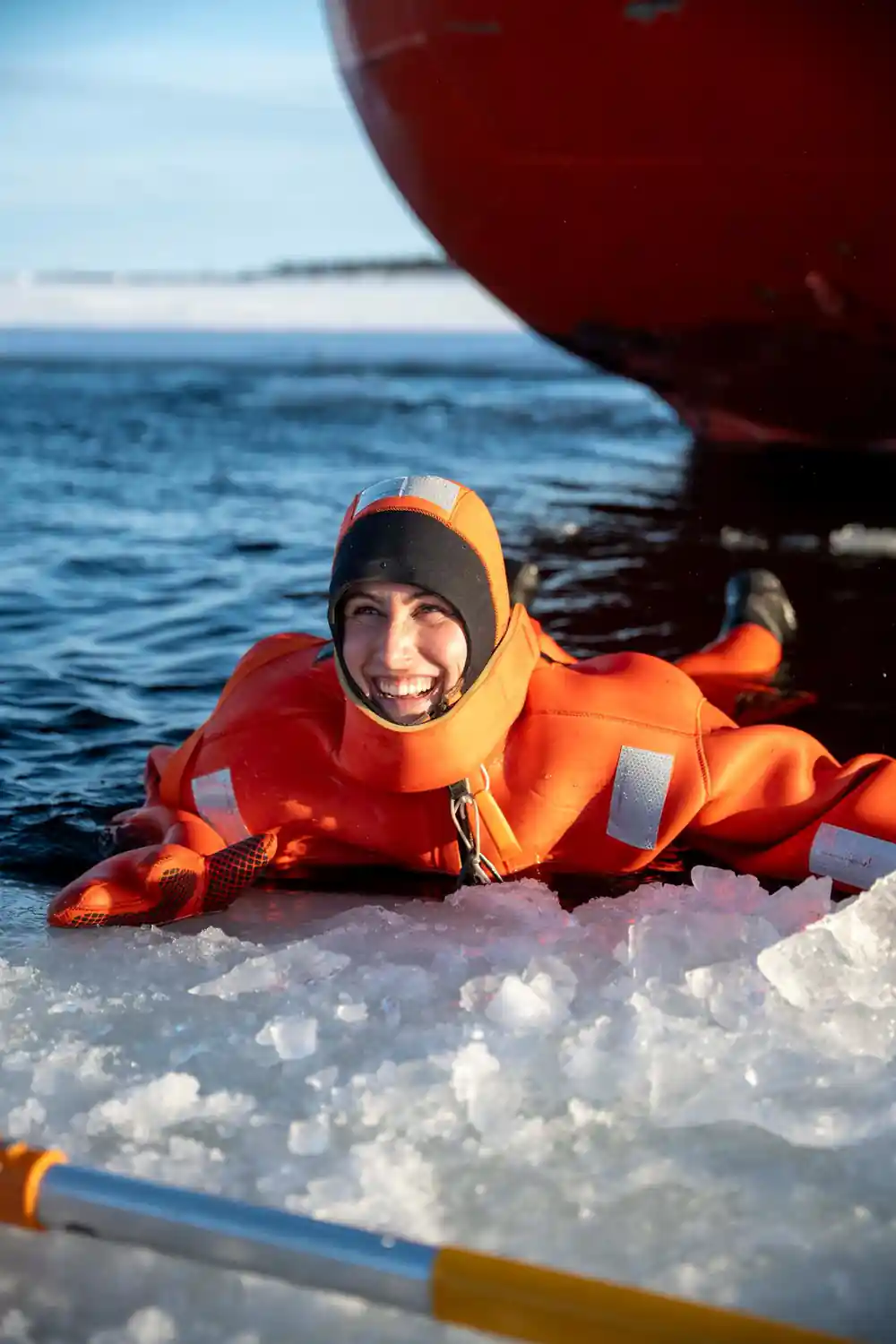
The swim is the part everyone asks about and the part most often misunderstood. You are not swimming in cold water in the ordinary sense. You are sealed into a full-body immersion suit, the kind carried on ships for abandoning them, which traps a layer of air around you and keeps the water off your skin.
The effect is that you float high on your back with very little effort, and the cold reaches you only where the suit does not: the face, and to some extent the hands. People come out saying it was far less brutal than they expected, which is a testament to the equipment rather than to their own hardiness.
Children of 125 centimetres and over may join the swim with a parent, which is a height rule rather than an age one and is worth measuring for before you book. Everybody who goes in gets a cruise and swim certificate from the captain at the end of the day.
Finland, Sweden, and the hour in between
This is sold from Rovaniemi, the domain says Finland, and the ship sails from Axelsvik on the Swedish coast. All of those are true at once, and the practical consequences are worth knowing in advance.
Both countries are in the Schengen area, so there is no routine border check on the road. The operator still asks for a passport or identity card, so bring one. Sweden is one hour behind Finland, which means the clock goes back on the way out and forward on the way home; on a fixed departure that is the kind of detail that quietly ruins an evening plan.
Sweden uses the krona and Finland the euro, so anything you buy on board or at the terminal is in Swedish money. Cards work, and it is the sort of thing better discovered here than at the cafeteria counter.
What to wear, and when to come
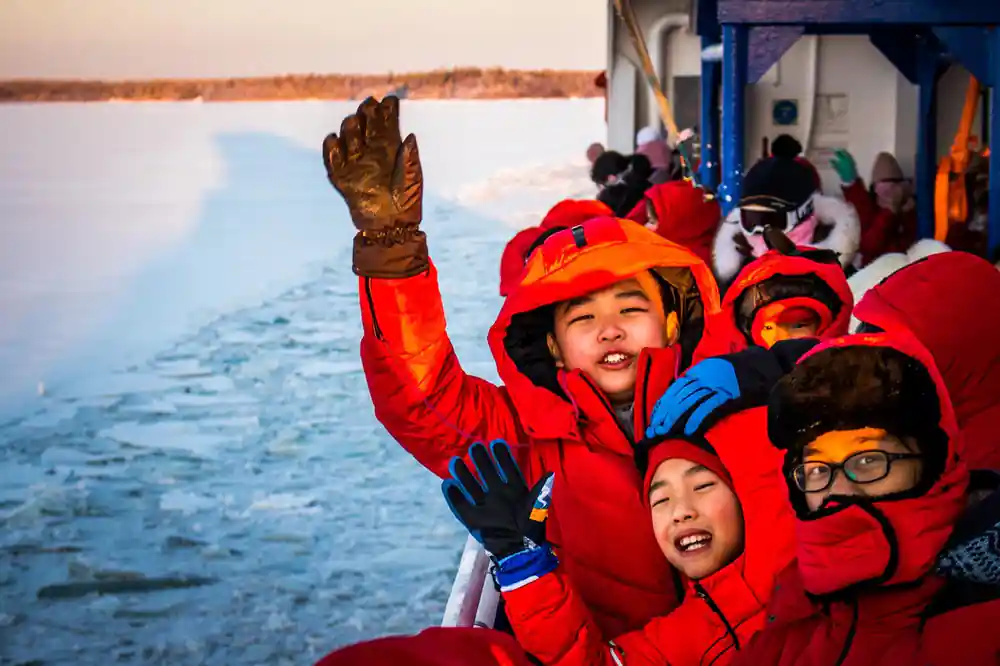
The survival suit is provided and goes on over your clothes, so the mistake is to dress for the water. Dress instead for standing still on an open steel deck in the Arctic: layers, a windproof outer, a real hat and proper gloves, and boots that cope with packed snow.
As for when, the season runs through the frozen months and the ice thickens as it goes. Later is more reliable for the ice walk. Midwinter is the coldest and the darkest: around the solstice the sun barely clears the horizon at this latitude and most of the light is a long blue twilight, which photographs beautifully and is not the same as daylight.
February and March bring the light back quickly while the ice is at its best, which is the combination most people are actually after.